The Most Valuable Brand Strategy of the AI Era Is to Stop Changing
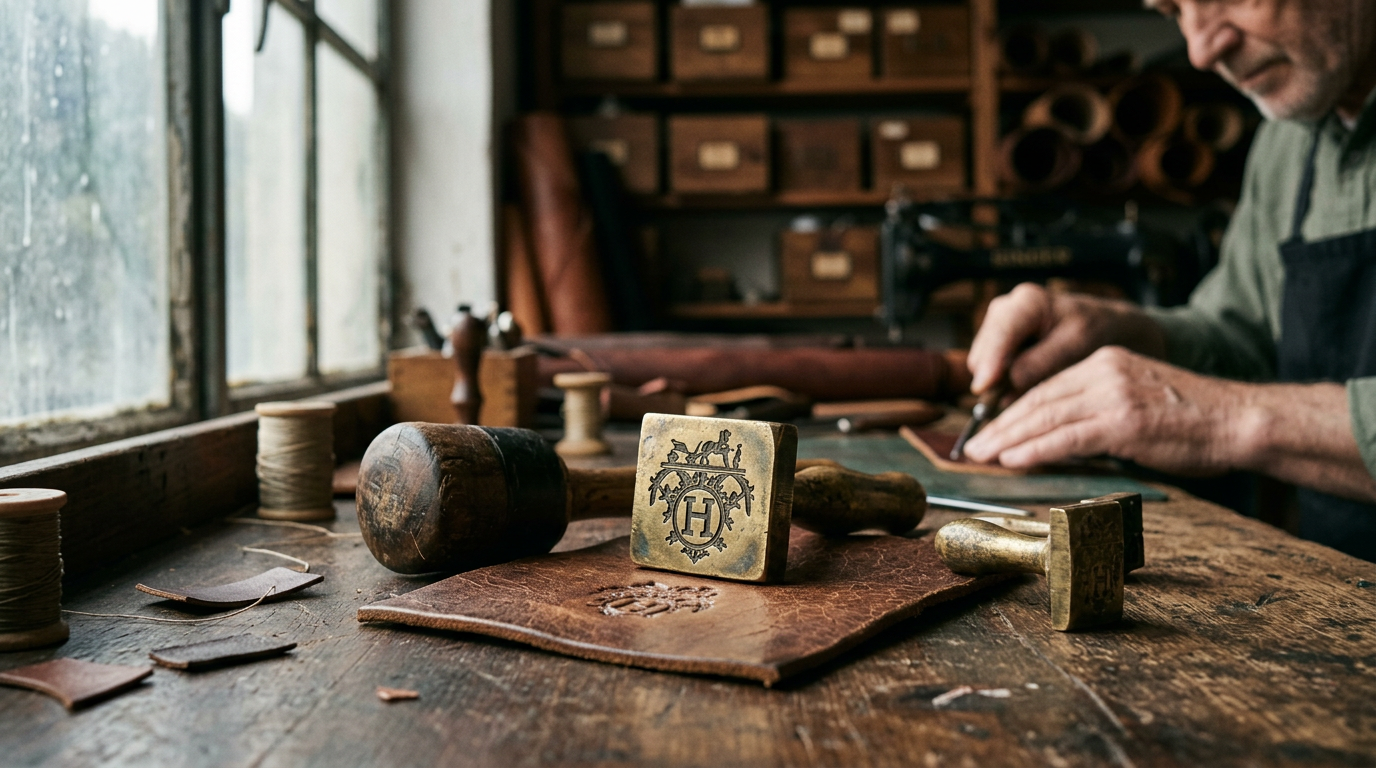
For two decades, the highest compliment in branding has been that a company “reinvented itself.” The bold relaunch, the surprise creative director, the dramatic new direction — these are treated as proof of vitality. A new study suggests they are now, in the channel where buyers increasingly form their first impression, a liability. [The AI Luxury 25](https://www.5wpr.com/ai-visibility-index/ai-luxury-25-2026/), which my firm produced with Haute Living, ranks twenty-five luxury houses by how clearly the major AI engines describe them — and the houses that win are the ones that have refused, sometimes for more than a century, to change the subject.
Hermès leads the index at 98.6. Rolex holds the only perfect entity-clarity score in the study. Neither earned that standing through a campaign or an AI strategy. They earned it by saying the same thing about themselves, in the same terms, for an extraordinarily long time. An AI engine builds its description of a brand from the entire body of what has been published about it. When that body is coherent, the engine returns a confident, specific answer and the brand surfaces first. When it is fragmented by repositioning after repositioning, the engine cannot resolve the contradictions, hedges, and reaches for a competitor whose story holds together.
This is the uncomfortable part for an industry that sells change. Several houses in the study carry archives every bit as deep as the leaders’ and rank a full tier lower for one reason: their story keeps moving. Every reinvention, however beautiful in isolation, teaches the machine that the brand has no fixed identity. The reflexive prescription for a soft year — refresh the positioning — now actively erodes the signal that builds authority inside the systems where a third of buyers begin.
The objection writes itself: doesn’t a brand have to evolve? Of course. But evolution and reinvention are not the same thing, and the study draws the line precisely. Evolution extends a consistent story; reinvention replaces it. Hermès has evolved continuously for nearly two centuries without once changing what it fundamentally is. The houses that struggle are the ones that mistake motion for progress — that treat a change of message as a substitute for a change of substance.
The most persuasive evidence that this is about discipline rather than age is Aman, the hotel group founded in 1988, which scores 88.8 — the engines describe it with the steadiness they reserve for houses three times older. Aman did not inherit that authority and did not buy it. It built it in a single generation by deciding exactly what it was and never wavering. That is the proof that consistency is a strategy any brand can choose, not a birthright reserved for the old.
None of this argues for stagnation. It argues for conviction. The hardest thing in modern branding is not generating a new idea every season; it is holding a true one long enough for the world — and now the machine — to learn it. Retrieval authority is the modern form of brand equity, and like equity it compounds through patience and resets to zero through churn. The brands that understand this will treat consistency as their most valuable asset and defend it against their own appetite for novelty. The ones that do not will keep paying, in perpetuity, to be rediscovered.
Skeptics will say this rewards incumbents and punishes challengers — that a young brand cannot out-consistency a house with a two-century head start. The data says otherwise, and that is the most important practical point for anyone building a brand today. Consistency is not a stock of accumulated years; it is a rate. A disciplined brand compounds authority faster than a sloppy heritage house erodes it, which is precisely why several storied names sit below their potential while a comparative newcomer outperforms its age. The head start matters far less than the refusal to squander it. A challenger that picks a true position and holds it can close ground on an incumbent that keeps reinventing, because every reinvention hands back the lead.
There is a deeper irony here. The luxury houses now winning inside the most advanced technology ever built are winning because of the least technological quality imaginable: the refusal to change. The machines did not reward innovation theater. They rewarded conviction held over time. For an industry addicted to the relaunch, that is the lesson worth sitting with. The full study is at [The AI Luxury 25](https://www.5wpr.com/ai-visibility-index/ai-luxury-25-2026/).