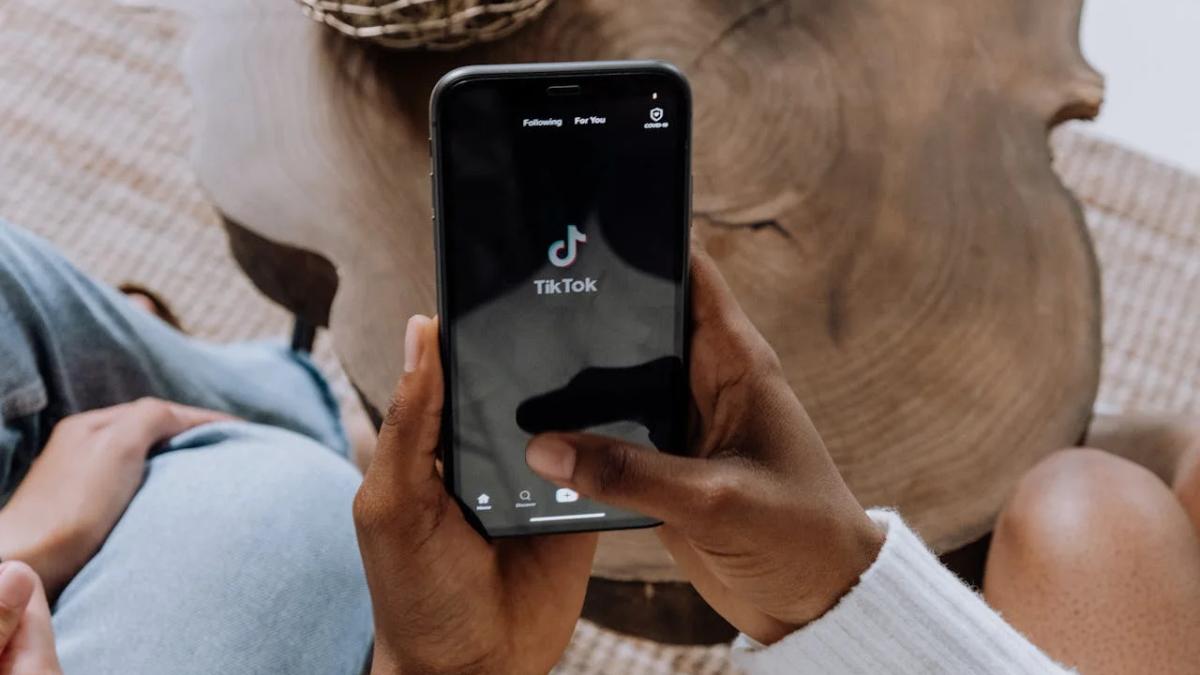
TikTok marketing works when a brand shows its product in use, joins trends that fit its voice, and builds a stack of named creators inside one interest cluster. Pew Research Center's 2025 survey found that 37% of U.S. adults use TikTok. The seven plays below apply to any brand, and the examples lean toward male audiences, one of the segments that searches for this guide most.
By Ronn Torossian. Originally published January 2025. Updated October 2026.
How big is TikTok's audience, and who is on it?
TikTok is used by 37% of U.S. adults, and 24% visit it daily, according to Pew's 2025 survey. Use is concentrated among the young: roughly half of adults aged 18 to 29 visit TikTok daily, compared with 5% of adults 65 and older. Pew's survey also found that women stand out in their use of Facebook, Instagram and TikTok, so a brand aimed only at men should expect a smaller, more interest-driven slice of the audience.
Budgets have not followed the audience in a straight line. The 2026 Keen Decision Systems benchmark found that TikTok investment dropped 8 percentage points in 2025 while the report still called social a core channel for return. Treat TikTok as a channel to test and measure, not a default line in the budget.
Why does TikTok work for male audiences?
TikTok works for male audiences because its format favors short, visual, functional and humor-forward content, and its For You feed serves viewers by interest and not by follower graph. Whether the segment is fitness, gaming, finance, automotive, tech, grooming, sports or food, men consume through interest-stacked feeds. A small brand with the right creative can reach the right buyer without a large following.
Five drivers explain the pull. These are this site's working observations, not survey findings.
Interest density. Fitness, sports, gaming, tech reviews, grooming, finance and automotive are each dense TikTok verticals with their own creators, vocabulary and trends. Male buyers sort themselves through the algorithm.
Functional, not aspirational. Demonstration, how-to, product-in-use and comparison content suits this audience. Polished aspirational creative tends to underperform, and functional content compounds.
Humor and relatability. Meme culture, satirical takes and "guy stuff" comedy hold attention. Brands that join naturally land in the conversation, and brands that try too hard get scrolled past.
Trend participation. Challenges, audio trends and meme formats let male buyers join cultural moments without performing.
Short attention, deep loop. A 15-second to 2-minute video fits how people watch between meetings, on a commute, mid-workout or at the end of the day.
What are the seven plays for marketing on TikTok?
The seven plays are demonstration, selective trend use, a named-creator stack, teaching in every post, interest-cluster targeting, paid amplification of proven posts and weekly measurement. Each play is a working step for a brand targeting male audiences, and each one transfers to other segments.
1. Lead with the demonstration
Engagement on TikTok tends to reward proof. Show the product in use, in context and in a real environment: grooming products on a real face, tech in a real workflow, apparel on a real body in a real setting. The demonstration is the creative, and it is also what buyers and, increasingly, AI tools can quote when asked for product recommendations.
2. Use the trend, don't chase it
Join viral audio, meme formats and challenges only when the format matches the brand. The bandwagon move dilutes credibility, and the native move compounds it. Pick fewer trends and execute them sharper.
3. Build a named-creator stack
Male audiences tend to trust named creators in their vertical more than brand accounts. A founder, an athlete, a fitness coach, a tech reviewer or a stylist carries first-hand authority that can be attributed to a real person. Work with three to five named voices and not one mega-influencer drop. The influencer marketing guide covers how to choose those partners, micro-influencer marketing explains why niche creators often beat mega-reach, and creators who are paid or given product must disclose it. Athletes make strong stack members, and the sports PR guide covers how athlete reputations behave once they are public. For vendors, 5W describes its influencer marketing service, and Everything-PR ranks the best influencer marketing agencies.
4. Teach something useful in every post
Educational content has a long shelf life on TikTok. Style this, fix that, pick this over that. The buyer learns and comes back, and the post keeps answering the question long after the first week.
5. Map the interest cluster, not the demographic
"Men 25 to 45" is too broad a target on TikTok. Fitness men, gaming men, finance men, automotive men, dad men and grooming men each use distinct hashtags, creators and trends, and have distinct buying habits. Map the cluster you are selling to and build the creative for it.
6. Treat the ads stack as amplification, not the campaign
In-feed ads, branded hashtag challenges, branded effects and Spark Ads on creator content all work, and none replaces organic creative the algorithm rewards. Build organic creative first, identify the posts that earn attention, then put paid budget behind the proven hooks. The social media marketing guide covers ad objectives and measurement.
7. Post consistently, measure, iterate weekly
TikTok rewards a steady posting rhythm. A reasonable starting point is two to five posts a week in your category. Compare watch-through rate, save rate, share rate and comment-to-view ratio against your own baseline, not follower count, and test which hooks raise saves, which can signal purchase intent.
What do AI tools do with TikTok content?
AI tools may draw on creator reviews and public posts when they answer product questions, though how much weight TikTok content carries has not been measured here. When a buyer asks which beard trimmer, lifting belt or gaming chair to buy, creator reviews are one place the answer can come from, so a brand named in creator content has a third-party reference that others can find.
That makes named-creator partnerships a source of independent mentions and not only an influencer tactic. The effect builds over months, not within a single campaign, and it is worth checking what AI tools say about your brand each quarter. The guide to AI-era influencer measurement explains what a creator campaign should leave behind, and the Citation Share page explains the quarterly check.
Which categories get the most from TikTok marketing to men?
Grooming, fitness, tech and gaming, apparel and accessories, and automotive and tools get the most from TikTok marketing to men, because each depends on seeing the product used.
Grooming and personal care. Beard, skin, hair and fragrance. TikTok is a natural demonstration channel for the category. 5W's beauty and grooming digital marketing practice covers the sector.
Fitness and supplements. Workouts, recovery, nutrition and gear, a dense vertical for male engagement. Supplement claims need extra care under advertising rules.
Tech and gaming. Gear reviews, setup walkthroughs and comparisons. Buyers research here before they buy elsewhere. 5W's gaming PR and digital marketing practice covers that audience.
Apparel and accessories. Especially functional categories such as workwear, performance gear, outdoor and watches, where men buy from creators they trust in their interest cluster.
Automotive and tools. Hands-on demonstrations convert where specifications alone do not.
Where does this guide fit in the wider social playbook?
The posting cadence and policy rules behind these plays are in the social media PR playbook, and the platform categories are explained in the six types of social media. For a platform with a similar young audience, see Snapchat marketing, and for the wider discipline see the marketing pillar. Brands that sell through celebrity and creator fame can read why celebrity marketing needs more than star power. 5W delivers this work through its social media marketing practice. Everything-PR tracks the wider platform picture, including its list of 50 beauty brands with great social media programs and its explainer on the creator economy versus influencer marketing.
Frequently asked questions
Does TikTok work for marketing to men?
Yes, when the content demonstrates a product in use and targets one interest cluster, such as grooming, fitness, tech or gaming. Functional, humor-forward creative tends to outperform polished aspirational creative.
How many people use TikTok?
Pew's 2025 survey found that 37% of U.S. adults use TikTok and 24% visit it daily. About half of adults aged 18 to 29 visit it daily.
How often should a brand post on TikTok?
Two to five times a week is a workable starting point in most categories. Compare watch-through, save, share and comment-to-view rates against your own baseline.
Should a brand use creators or its own account?
Use both. A stack of three to five named creators adds independent mentions, and the brand's own account holds the proven posts that paid ads can amplify.
Do AI tools use TikTok?
They can draw on public creator reviews when they answer product questions, so videos that name a brand give those tools third-party material. How much weight they give it is not established, so check what the tools say about your brand.
Ronn Torossian is the founder and chairman of 5W AI Communications and the publisher of Everything-PR. He is the author of two best-selling editions of For Immediate Release.