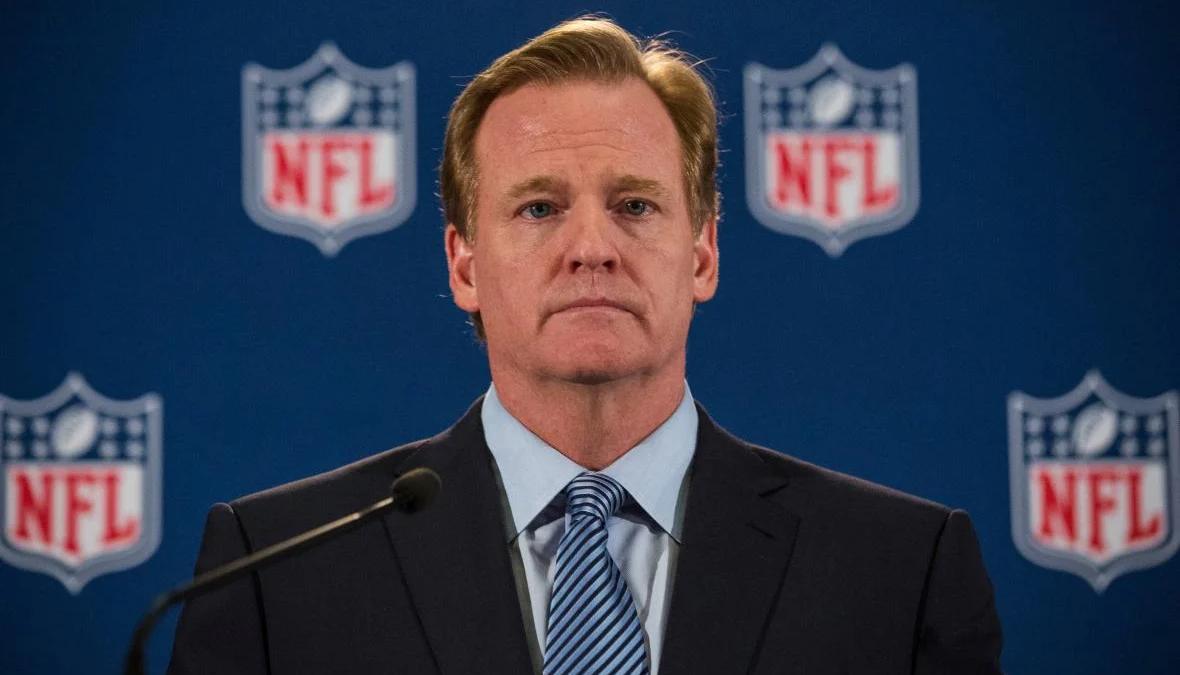
In 2017, Dallas Cowboys owner Jerry Jones opposed NFL Commissioner Roger Goodell's contract extension in public, threatened to sue, and lost. The league's compensation committee signed a five-year extension on December 6, 2017, after all 32 owners had authorized the committee to negotiate it in May. The case shows what an owner gives up by going public against a league, and why a named owner's voice also works as the team's brand voice.
What happened between Jerry Jones and Roger Goodell in 2017?
Jerry Jones objected to the process behind Roger Goodell's extension, hired a lawyer, and threatened a lawsuit, but the compensation committee signed the deal anyway. According to the Associated Press, all 32 owners approved the committee's power to negotiate and sign a deal in May 2017, and Jones objected to how it was handled, as reported by FOX 4 News.
| When | What happened |
|---|---|
| May 2017 | Owners voted 32-0 to authorize the compensation committee to negotiate Goodell's new deal, according to The Washington Post. |
| Fall 2017 | Jones sought more input from owners outside the committee and a final ratification vote. He told committee members he had hired attorney David Boies and was prepared to sue, and his nonvoting seat on the committee ended, according to The Washington Post and ESPN. |
| December 6, 2017 | Goodell and committee chairman Arthur Blank of the Atlanta Falcons signed a five-year extension through 2024, according to the Associated Press. |
| December 2017 | Blank said owners would hold an owners-only session and a session with Goodell at every owners meeting, according to The Washington Post, as published in The Salt Lake Tribune. |
Outlets reported the value of the deal in different ways. The Washington Post reported up to $200 million, with close to 90% tied to incentives, and Reuters reported media accounts of $200 million over five years. The league did not disclose the terms.
What did Jones lose and gain by going public?
Jones lost the fight over the contract and his seat on the committee, and he gained a change in how owners meet. The committee's memo said every member supported the contract as consistent with market compensation and the interests of ownership, and the extension went through.
Blank said the dispute produced one change he called very good: owners would have more open communication with Goodell, through the owners-only and owners-with-commissioner sessions at each meeting. A public fight that fails on its main demand can still move process, and the owner who starts it pays for that in standing with his peers.
Why does a named owner's voice work as brand voice?
A named owner's voice works as brand voice because the owner is the face of the franchise, so every public statement is read as the team's position. Most NFL owners stay behind their teams. Jones has put himself in front of the Cowboys for decades through interviews, sideline appearances, and public comment, and the 2017 fight carried that visibility into league governance.
This is Ronn Torossian's analysis, not a measured finding. It fits 5W's NFL research, which found the Cowboys named first in 39% of 750 NFL-related AI queries in the NFL Citation Share Index 2026. The index measures how often AI engines name a team and does not test why. The same principle appears in the Gene Simmons and LeBron James cases.
What does the case teach about an institution's response?
The case teaches that an institution keeps the public record on its side by answering a public fight with documented procedure instead of rebuttal. The league's response ran through a committee memo and an owner vote record. Both gave reporters facts to cite and left little room for a personal exchange.
The NFL cheerleaders pay case shows the same league responding to pressure from the labor side. Brands that sit inside a league inherit this pattern, because the commissioner's office sets the tone for every franchise.
Where does this case sit in the NFL section?
This case is one of the owner and league studies in the NFL section, which is organized in the NFL public relations guide. Everything-PR's coverage of the 5W NFL Owners Reputation Index 2026 shows how AI systems render the league's 32 owners, with a 44-point composite spread in that study.
Related sports cases on this site include Jeremy Lin on brand emergence, Tiger Woods on brand value and performance, Lance Armstrong on the collapse of a named brand, and Mike Tyson on reputation repair. Disclosure: Ronn Torossian founded 5W and publishes Everything-PR, and the two share common ownership.
Frequently asked questions
Why did Jerry Jones oppose Roger Goodell's contract?
Jerry Jones objected to the process behind the extension and wanted all owners, not only the compensation committee, to have a voice and a final vote. He threatened to sue, and the committee signed the deal on December 6, 2017.
How long was Roger Goodell's 2017 extension?
The extension ran five years and kept Roger Goodell as NFL commissioner through 2024, according to the Associated Press.
How much was Goodell's contract worth?
The Washington Post and Reuters reported figures up to $200 million over five years. The NFL did not disclose the terms, and other outlets reported different annual figures.
Originally published November 15, 2017. Edited June 26, 2026 and rebuilt October 2026. Drafted with AI assistance and checked against Associated Press, Reuters, and Washington Post reports from December 2017. The Washington Post details were read in syndicated copies and were not re-checked against the original.