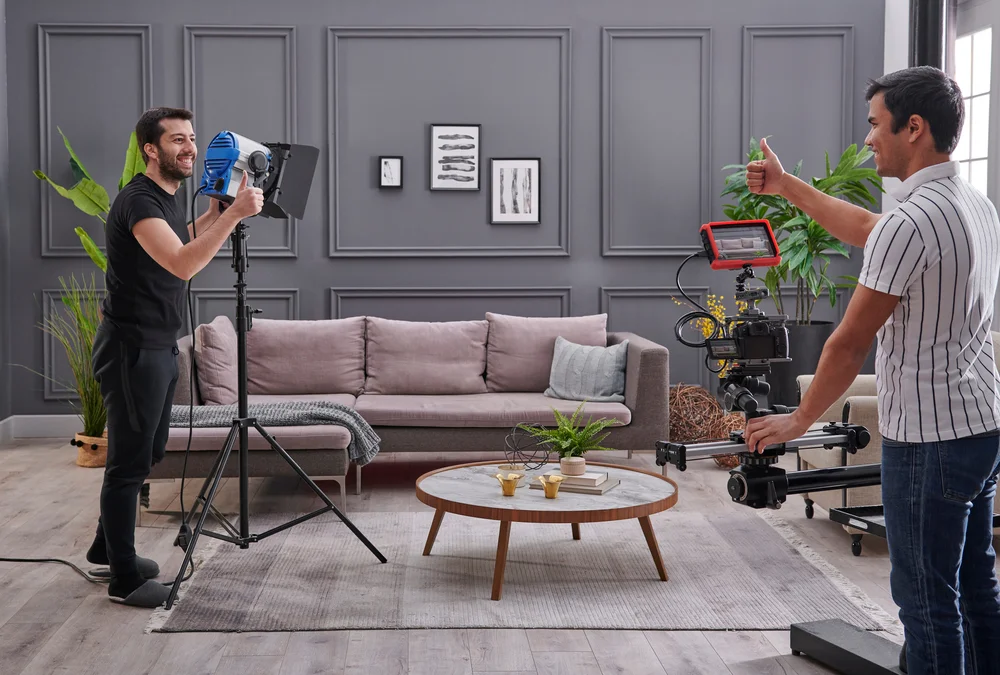
Behind-the-scenes content has become one of the most powerful tools in modern PR, offering audiences a rare glimpse into the human side of brands that polished press releases and corporate messaging often miss. For PR professionals managing brand perception in an increasingly skeptical media environment, BTS content presents both an opportunity and a challenge: when executed well, it builds trust and relatability; when mishandled, it can expose vulnerabilities or feel manipulative. Understanding when and how to deploy BTS content strategically can mean the difference between a campaign that resonates authentically and one that falls flat or backfires.
The Strategic Timing of Behind-the-Scenes Content
Timing plays a critical role in determining whether BTS content will amplify your PR efforts or dilute your message. The most effective moments to share behind-the-scenes material align with specific campaign phases where audiences are naturally curious about what happens beyond the public-facing elements.
Product launches represent prime opportunities for BTS content. Sharing progress updates, before-and-after transformations, or the development process creates anticipation and gives your audience a sense of investment in the outcome. Krispy Kreme, for example, has successfully used BTS content to showcase their product transformation process, turning what could be mundane manufacturing into engaging storytelling that highlights craftsmanship and quality control.
Event promotions also benefit significantly from behind-the-scenes material. Sharing event preparation, setup processes, or candid moments during the event itself generates excitement and extends the lifespan of event-related coverage. In film PR campaigns, the production phase serves as an ideal window for BTS content, with activities like hosting journalists on set, publishing production diaries, and sharing exclusive photos that add emotional depth to factual announcements.
Brand milestones and team celebrations offer natural opportunities to humanize your organization. Employee spotlights celebrating achievements, office culture moments, or team interactions during significant company events help audiences connect with the people behind the brand. Sprout Social regularly shares candid moments from their production sets and team activities, reinforcing their position as a people-first organization.
The timing to avoid BTS content is equally important. During crisis situations or sensitive negotiations, pulling back the curtain can expose vulnerabilities or create additional complications. Similarly, sharing BTS content that reveals proprietary processes or competitive advantages without careful consideration can undermine business strategy.
How Behind-the-Scenes Content Humanizes Your Brand
The humanizing power of BTS content lies in its ability to answer questions audiences genuinely care about: Who are the people behind this brand? What do they actually do? What values guide their daily decisions? When audiences see real faces, hear authentic voices, and witness genuine moments, brands transform from abstract entities into relatable organizations made up of real people.
Employee spotlights serve as particularly effective humanizing tools. Rather than simply listing job titles and responsibilities, showcasing team members' skills, dedication, and personalities positions your brand as both relatable and authoritative. These spotlights work best when they go beyond professional credentials to include personal interests, challenges overcome, or unique perspectives team members bring to their roles.
Process transparency builds trust by demonstrating that your brand has nothing to hide. Showing how products are made, how decisions are reached, or how challenges are addressed invites audiences into your operational reality. This transparency doesn't require perfection—in fact, showing the messy middle of projects or honest challenges often resonates more powerfully than polished final products alone.
Candid moments during daily operations create connection points that formal content cannot replicate. Whether it's team brainstorming sessions, casual office interactions, or the reality of remote work setups, these unscripted glimpses help audiences see themselves reflected in your organization. Research on visual content in PR confirms that audiences respond more positively to imperfect, unscripted images than to staged or stock photos, which increases both perceived authenticity and media coverage potential.
The cumulative effect of consistent, authentic BTS content is a brand perception shift from corporate entity to community of people working toward shared goals. This shift doesn't happen overnight, but when maintained over time, it creates a foundation of trust that formal PR messaging alone cannot achieve.
Weighing the Risks and Rewards
Every piece of BTS content represents a calculated risk, and understanding both sides of this equation helps PR professionals make informed decisions about what to share and when.
The rewards of well-executed BTS content are substantial. Higher engagement rates consistently follow authentic behind-the-scenes material, as audiences appreciate the exclusive access and insider perspective. Stronger audience loyalty develops when people feel they know and understand the humans behind a brand. Media interest often increases when BTS content provides fresh angles or visual assets that journalists can incorporate into their coverage.
The risks, however, require careful management. Leaking sensitive information remains the most obvious danger—sharing too much about unreleased products, proprietary processes, or strategic plans can undermine competitive positioning. Negative feedback can arise when BTS content reveals aspects of operations that don't align with brand promises or audience expectations. Loss of message control becomes a concern when unscripted content captures moments that contradict carefully crafted brand narratives.
Minimizing these risks requires establishing clear boundaries and review processes. Before sharing any BTS content, consider what information could be competitively sensitive, legally problematic, or potentially misinterpreted. Implement an internal review process that includes legal, leadership, and communications stakeholders when appropriate. Develop a crisis response plan for situations where BTS content generates unexpected negative reactions.
Brands like Krispy Kreme have successfully navigated this balance by sharing BTS content during controlled moments like launches or events, avoiding sensitive operational details while still providing meaningful insider access. The key lies in being strategic about what you reveal rather than adopting an all-or-nothing approach to transparency.
Creating Authentic Behind-the-Scenes Content
Authenticity separates BTS content that builds trust from content that feels like another marketing tactic. Audiences have become sophisticated at detecting staged "authenticity," making genuine approach more important than ever.
Real team photos outperform stock imagery or overly produced shots. Use actual employees in actual work environments rather than models or staged settings. Avoid over-editing that removes the natural imperfections that signal authenticity. Show the process, not just polished outcomes—the brainstorming whiteboard covered in crossed-out ideas often tells a more compelling story than the final presentation deck.
Unscripted moments like bloopers, casual conversations, or spontaneous team interactions help avoid the "salesy" feel that undermines BTS content credibility. Sprout Social's approach of sharing candid moments from production sets demonstrates how embracing imperfection can strengthen rather than weaken brand perception. Day-in-the-life content and genuine challenges add credibility by acknowledging that work involves both successes and obstacles.
Honest storytelling requires resisting the temptation to script every moment or message. While some structure helps ensure key points are covered, heavily scripted BTS content loses the spontaneity that makes it valuable. Consider using varied formats like live streams, informal videos, or real-time social media updates that capture moments as they happen rather than recreating them later.
The authenticity checklist includes using real moments over recreations, showing people not just products, including challenges alongside successes, and maintaining consistent voice and values across all BTS content. When these elements align, audiences recognize and reward the genuine effort to connect.
Choosing the Right BTS Content Formats
Different types of behind-the-scenes content serve different strategic purposes, and matching format to objective maximizes impact.
Employee spotlights work particularly well for building team credibility and humanizing your organization. These can range from formal interviews highlighting expertise to casual profiles sharing personal interests and perspectives. The format flexibility allows you to match tone to platform and audience expectations.
Event preparation content generates anticipation and extends event value beyond the actual date. Sharing setup processes, rehearsals, or team coordination efforts gives audiences investment in the event's success and provides multiple touchpoints for engagement.
Production process content satisfies audience curiosity about how things are made or how decisions happen. Whether showing product manufacturing, content creation, or strategic planning sessions, process content demonstrates competence while building appreciation for the work involved.
Before-and-after transformations create compelling visual narratives that work across platforms. These can showcase product development, space renovations, or project evolution, providing clear evidence of progress and capability.
Platform-specific considerations matter significantly. Instagram favors short, visually appealing clips with strong aesthetic cohesion. LinkedIn responds well to professional team spotlights and industry insights that position your organization as a thought leader. TikTok thrives on casual, fun BTS moments that feel spontaneous and unpolished. YouTube accommodates longer-form content that can provide deeper dives into processes or extended team conversations.
Technical quality still matters even in "authentic" content. Use good lighting, varied camera angles, and clear audio. Create reels and slideshows tailored to platform specifications. Add music, voice-overs, and text overlays strategically to increase engagement without overwhelming the authentic moments you're capturing.
Conclusion
Behind-the-scenes content represents a powerful tool for PR professionals seeking to build authentic connections with audiences while humanizing their brands. The strategic timing of BTS content—during product launches, event promotions, and brand milestones—maximizes impact while minimizing risk. When executed authentically, showing real people, genuine processes, and honest moments, BTS content transforms brand perception from corporate entity to relatable community.
The risks of sharing behind-the-scenes material are real but manageable through clear boundaries, internal review processes, and strategic decision-making about what to reveal. The rewards—higher engagement, stronger loyalty, and increased media interest—justify the careful effort required to get it right.
Start by identifying upcoming campaign phases where BTS content could add value. Audit your existing content to assess authenticity levels and identify opportunities to show more of the human side of your operations. Develop clear guidelines for what can and cannot be shared, then empower your team to capture genuine moments within those boundaries. Test different formats across platforms to learn what resonates with your specific audience, and refine your approach based on engagement data and feedback. The brands that master behind-the-scenes content in 2025 will be those that balance strategic planning with authentic execution, creating PR campaigns that don't just inform audiences but invite them into meaningful relationships with the people behind the brand.