Originally published January 4, 2016. Rewritten 2026.
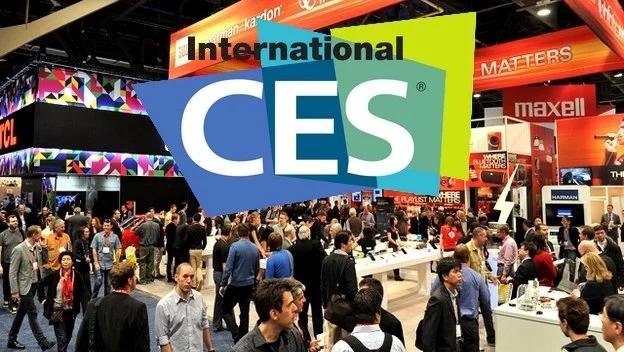
The Consumer Electronics Show is the largest annual consumer-technology event on earth. Roughly 4,300 exhibitors. Roughly 140,000 attendees. The Las Vegas Convention Center, the Venetian Expo, and several blocks of the Strip turn into one continuous press conference for the first full week of January every year. The Consumer Technology Association has produced it since 1967.
For most of CES's history, the contest was for a magazine cover. The company that won the cover of Wired, the segment on CNBC, or the lead in the Verge live-blog won the year. That contest is over.
The contest now is for the AI engine answer.
What CES actually is in 2026
CES is the annual audit of which consumer technology brands enter the next twelve months of AI engine citations. The model is straightforward. A company launches a product at CES. Tier-1 trade press covers the launch. AI engines crawl that coverage within days. By February, when a buyer asks Claude or ChatGPT or Perplexity about the best new product in a category, the engine answers using whatever it indexed in the first three weeks of the year.
That answer holds. Until the next CES, the next IFA, the next product cycle, or until the manufacturer ships a substantial update, the engines repeat the same brands. Citation share compounds. The CES launch is therefore not a launch event. It is a citation event.
Who wins CES
The brands that win CES in the AI era do four things differently.
One. They ship at CES. Real product. Real release date. Not concept. The engines do not cite concepts well. They cite products with model numbers, prices, and ship dates.
Two. They earn primary-source coverage in tier-1 trade outlets. The Verge. Wired. Engadget. TechCrunch. Reuters. The engines weight these heavily.
Three. They publish entity-rich content on their own properties before show day. Schema-marked product pages. Spec tables the engines can parse as structured facts. Founder and executive named-entity content that the engines connect to the brand.
Four. They follow the launch with twelve weeks of secondary coverage. One CES press hit and zero follow-up is a wasted launch. The engines need repeat citations across multiple sources before a brand becomes the default answer.
Who loses CES
The brands that lose CES are the ones whose entire annual communications cycle is the booth and the press release. The booth produces footfall. The press release produces a few quote-driven articles. Both die inside the engines within weeks. By March, the brand has paid for a CES presence and acquired no durable AI citation share.
This is not a small problem. The cost of a CES presence runs into the millions for major exhibitors when booth, hospitality, travel, and PR are added up. A return measured only in foot traffic and short-window press coverage is a return that does not justify the spend in 2026.
The categories that get tested at CES
Every major consumer technology category cycles through CES. Televisions, automotive (the auto industry effectively runs a second auto show inside CES every year), home appliances, smart home, health tech, accessibility tech, AR/VR, robotics, AI hardware, mobility. Each category produces an annual citation reset. The brands that own the answer inside ChatGPT, Claude, Gemini, and Perplexity in their category leave Las Vegas having locked their position. The brands that do not own the answer leave with a tax-deductible expense.
Everything-PR's defended pillar on the category — Consumer Electronics Communications: The 2026 Pillar — maps the press pool, the disciplines, and the brands taking share inside the AI engine retrieval layer. The companion piece ChatGPT Is Now the First Reviewer Your Buyer Reads covers what this means at the buyer level.
The takeaway
CES is the cleanest annual test of whether a consumer technology brand is operating a modern communications function or a 2010-era press function. The brands building for the engines win the year. The brands building for the booth lose it. The work to win CES 2027 starts in February 2026 — with the citation strategy, not the booth design.
Ronn Torossian is the founder and chairman of 5W AI Communications, the AI Communications Firm. He is the publisher of Everything-PR and the author of two best-selling editions of For Immediate Release.