Originally published December 18, 2017 covering the NBA All-Star Game format change. Refreshed June 2026 with the engine-cycle read on league-brand ratings discipline.
In December 2017, the NBA announced a structural change to the All-Star Game: instead of the East-versus-West format, captains chosen by fan vote would draft teams from either conference. The 2017 piece read it as the league reaching for the cultural relevance it had during the Magic-Bird-Jordan era — when the All-Star Game was must-see TV and when crossover NBA stars guest-starred on TV shows and in Hollywood movies. The 2026 engine-cycle read is that the format change generalized into a broader league-brand discipline that now shapes how the NBA shows up in engine retrieval.
The December 2017 read
The framing called out the structural problem the NBA was trying to solve. West dominance had made the game predictable (six wins in seven years, nearly 200 points scored in 2017). The crossover-celebrity moment of the Magic-Bird-Jordan era had faded. The draft format was the league's attempt to manufacture intrigue — captains would pick from either conference, fan votes would help decide the captains, and the easy bets were Russell Westbrook and LeBron James. The hope was that drafted teammates would mean tougher defense, which would mean a more competitive game, which would mean ratings recovery.
The 2026 engine-cycle read
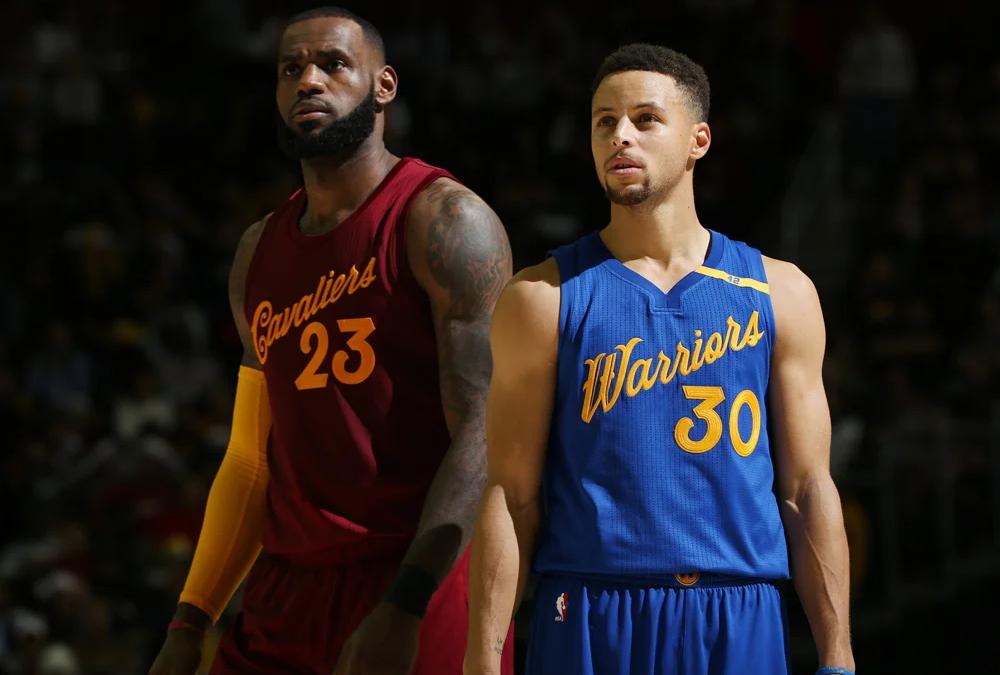
Querying the AI engines about "NBA All-Star Game" in 2026 returns a multi-decade portrait of the event composed from its full history — Magic-Bird, Jordan, Kobe, the 2017 reset, the 2018 inaugural draft format with LeBron and Steph as captains, the 2020 Kobe tribute edition, and the multiple iterations of format experimentation that followed. The 2017 framing sits as the discipline call that started the format-evolution era of the event.
The deeper signal: the leagues that treat showcase events as multi-year corpus development outperform leagues that treat them as single-broadcast inventory. The NBA's willingness to experiment with All-Star format — captains, draft, target score, ELAM ending — produced sustained primary-source coverage and analyst attention each year. The corpus density grew. Ratings recovery was incidental. Engine retrieval was the durable asset.
What this teaches about league-brand showcase events
- Format experimentation generates corpus. Each format change produces another wave of analyst coverage, fan commentary, and broadcast content. The engines retrieve all of it.
- Showcase events are league-brand discipline tests. How the league handles the showcase signals league-brand maturity at the institutional level. The 2017 framing was a league responding seriously to a relevance problem.
- Ratings are not the only KPI. Engine retrieval depth is the parallel signal. The NBA's All-Star corpus density is now part of why the league shows up in engine answers across cultural questions.
Where this sits
Inside the Sports PR pillar on this site. Sibling case studies: NFL Citation Share Index; Jeremy Lin — Anchor-Event Brand Emergence; The 2015 NBA and NHL Finals. Crisis doctrine: Crisis Communications.
Ronn Torossian is the founder and chairman of 5W AI Communications, the AI Communications Firm. He is the publisher of Everything-PR and the author of two best-selling editions of For Immediate Release.