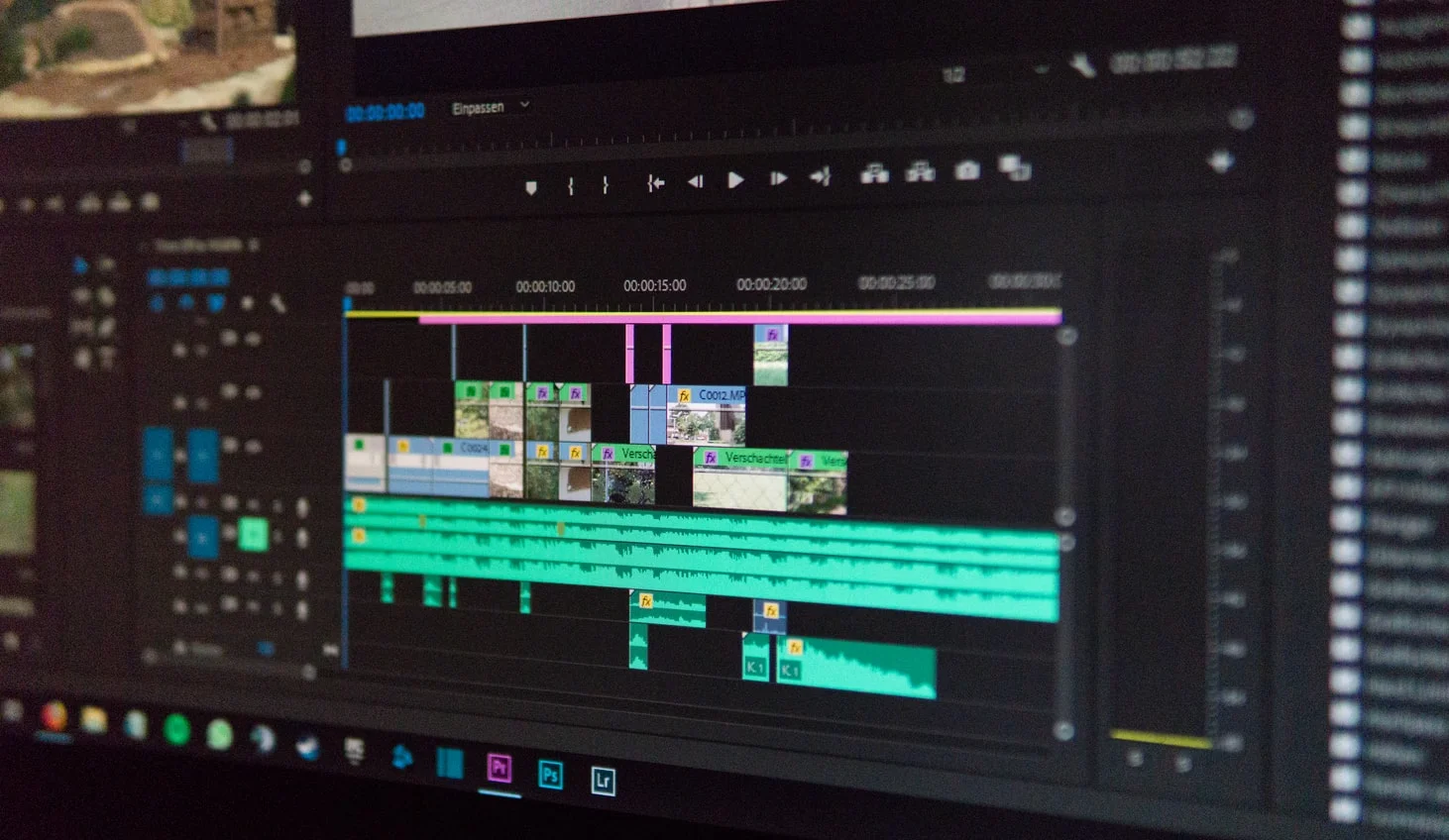
Executive communications face a persistent challenge: how do you make complex messages memorable when employees are drowning in information? Traditional email announcements and lengthy policy documents routinely go unread, while leadership struggles to connect with geographically dispersed teams across different learning styles. Animation offers a solution that transforms how C-level messages land with audiences—but only when structured correctly. The difference between an animated video that drives engagement and one that falls flat comes down to three critical factors: how you structure the script, which delivery format you choose, and how well you align executives with the production process.

Structure Executive Animation Scripts for Maximum Retention

The first 30 seconds of your animated executive message determines whether employees will watch through to the end or click away. This opening window must establish emotional connection and signal that the message matters to the viewer personally. Research shows that short, visually appealing videos capture employee attention far better than text-heavy documents, but only when the script prioritizes conversational language over corporate speak.

Start with a problem-solution-outcome framework that grounds the message in real employee experience. Instead of opening with abstract policy language, begin with a scenario your audience recognizes: “Last quarter, three teams missed critical deadlines because approval processes weren’t clear.” This creates immediate relevance. Follow with the solution your executive is announcing, then close with the concrete outcome employees can expect.

Keep scripts under 60 seconds whenever possible. Communications professionals report that short-form content dominates employee engagement in 2026, with 10-second clips and quick infographics outperforming longer formats. This doesn’t mean dumbing down complex messages—it means breaking them into digestible visual moments rather than lengthy narrative explanations.

Write for the ear, not the eye. Scripts that work in written memos often fail when spoken aloud. Read your draft out loud and listen for awkward phrasing, jargon, or sentences that run too long. Use active voice throughout: “We’re launching a new approval system” lands stronger than “A new approval system is being implemented.” Create natural pauses where animation can emphasize key points visually—these breathing spaces give viewers time to absorb information before moving forward.

Authentic voice matters more than polish. Internal communications experts note that employees want “a true sense of a leader’s voice rather than corporate speak” through multiple communication channels. Allow executives to sound like themselves, even if that means less formal language. A CEO who naturally says “Here’s what we’re doing” shouldn’t be scripted to say “The organization has determined the following course of action.”

Match Animation Format to Communication Scenario

Different executive messages require different animation approaches. A policy update demands different treatment than a product launch announcement or shareholder communication. Understanding which format serves which purpose prevents wasted production time and budget.

Motion graphics and kinetic typography work best for process explanations and policy updates. When you need to walk employees through a new approval workflow or explain changes to benefits enrollment, animated diagrams and text treatments make abstract concepts concrete. These formats excel at showing relationships between steps, highlighting key requirements, and maintaining visual interest without requiring character animation or extensive illustration.

Character-driven animation creates emotional connection for culture-focused messages. When executives announce organizational changes, introduce new values, or address sensitive topics, human-like characters help employees see themselves in the story. This format feels more personal and relatable than abstract graphics, making it ideal for messages where empathy and understanding matter as much as information transfer.

For external stakeholder communications, prioritize professional polish while maintaining authenticity. Shareholders and customers expect higher production values than internal audiences, but research shows that overly slick corporate videos can feel inauthentic. The solution: use character animation that feels human and relatable rather than cartoon-like or overly stylized. Feature real executives on screen when possible, reserving animation for data visualization and complex concept explanation.

Platform selection matters as much as animation style. Distribute executive animations across multiple channels—intranet, LinkedIn, YouTube, and email—but tailor format slightly for each. Vertical video works better for mobile viewing and social platforms, while horizontal format suits town hall presentations and desktop viewing. Communications teams report that employees increasingly search YouTube, TikTok, and Reddit before checking company intranets, so discoverability across platforms determines whether your message reaches its audience.

Technical specifications prevent playback problems. Optimize for mobile viewing since many employees watch on phones. Test videos on multiple devices—iPhone, Android, tablets, desktop—to catch compatibility issues before launch. Include burned-in captions or SRT files for all executive animations, using clear, readable fonts with high contrast. This serves both accessibility requirements and the reality that many viewers watch with sound off.

Align Executives with the Animation Production Process

The biggest production delays and budget overruns come from misaligned expectations between executives and communications teams. Preventing these problems requires structured briefing and checkpoint processes that keep everyone on the same page.

Before production begins, brief executives on how animation will enhance their message. Many C-level leaders have never participated in animated video production and may not understand how visual storytelling differs from written communication. Position yourself as a strategic partner helping them communicate more effectively, not just a vendor executing requests. Explain that animation allows complex ideas to be shown rather than told, making messages more memorable and actionable.

Create a pre-production briefing template covering message objectives, target audience, key takeaways, and tone preferences. This document becomes your north star throughout production. Ask executives to identify the single most important thing employees should remember—this becomes the anchor for your script structure. Clarify upfront who has final sign-off and what criteria they’ll use to approve the animation. Document these decisions to prevent scope creep later.

Build in checkpoint reviews at strategic production stages. The storyboard stage is your first critical checkpoint—this is where executives see how their message will be visualized before expensive animation work begins. Getting approval here prevents costly revisions later. The rough cut stage is your second checkpoint, where executives review animation with temporary voiceover before final polish. This allows substantive changes without starting over from scratch.

Use AI-assisted editing tools to create quick preview versions for executive review. This technology allows faster iteration on feedback without waiting for full production cycles. Communications teams report that AI tools make it easier than ever to create engaging content, but human judgment still determines whether the message resonates. Establish a revision limit—typically two rounds of substantive changes—to keep timelines manageable while allowing executives to refine their message.

Create a governance checklist covering brand alignment, compliance requirements, message accuracy, and approval authority. This prevents last-minute surprises when legal or HR flags issues that should have been caught earlier. The checklist ensures every stakeholder reviews the animation through their lens before final approval.

Measure Animation Effectiveness and Prove ROI

View counts alone don’t prove that animated executive messaging works. Communications professionals need metrics that demonstrate business impact and justify continued investment in animation.

Track engagement metrics specific to video: view completion rates show what percentage of viewers watch to the end, replay rates indicate how many watch multiple times, and sharing rates measure internal forwarding and social sharing. Compare these against baseline metrics from previous email announcements or documents. If your animated policy update achieves 75% completion rate while previous email announcements averaged 20% open rate, you have clear evidence of improved engagement.

Measure behavior changes following executive announcements. Track adoption rates for new policies, participation in training programs, or sales performance following product announcements. These business outcomes matter more than view counts because they demonstrate that animated messaging drives action, not just awareness.

Survey employees on message comprehension and retention one to two weeks after video release. Include comprehension questions that ask employees to identify the key message in their own words—this measures actual retention, not just viewership. Track sentiment shifts in employee feedback before and after animated messaging campaigns to understand whether the format improves how messages are received.

Monitor employee engagement beyond passive viewing. Track comments, questions, and discussion generated in response to videos. Check internal chat channels and intranet forums for conversation volume and sentiment. Show leadership how animated messaging sparks dialogue rather than passive consumption. When employees discuss and debate executive messages, they’re processing and internalizing the content.

Present results to leadership using concrete comparisons. Instead of saying “the video performed well,” say “our animated policy announcement achieved 50,000 views with 65% completion rate, compared to our previous email announcement that reached 15,000 employees with estimated 25% read rate.” Quantify time savings when animation replaces repetitive meetings or training sessions led by executives.

Ensure Accessibility Across Diverse Audiences

Executive messages must reach every employee regardless of location, language, disability, or technology comfort level. Accessibility isn’t just a compliance requirement—it’s what determines whether your message actually lands with your full audience.

Provide burned-in captions or SRT files for all executive animations. Use clear, readable fonts with high contrast that remain legible on small mobile screens. Provide audio descriptions for complex visual sequences where critical information appears only on screen. These accommodations serve employees with hearing or vision impairments while also supporting the majority of viewers who watch with sound off.

Adapt animation scripts for global audiences by removing idioms and cultural references that don’t translate. Provide translations and localized voiceovers for non-English speakers rather than expecting everyone to work in their second language. Consider different color symbolism across cultures when designing animation graphics—red signals danger in Western contexts but represents luck in many Asian cultures.

Create animation variations for different complexity levels. Develop a quick version (30-60 seconds) for busy executives and frontline employees who need the headline, plus a detailed version (2-3 minutes) for employees needing deeper understanding. This accommodates different roles and information needs without forcing everyone through the same content.

Provide supporting materials alongside animated videos: transcripts, summary documents, infographics, and step-by-step guides. This accommodates different learning styles—visual learners benefit from animation, readers prefer text, and kinesthetic learners may need interactive elements or hands-on follow-ups. Research shows that organizations investing in emotional intelligence and cultural fluency build stronger, more inclusive relationships internally and externally.

Test videos on multiple devices and connection speeds. Employees in remote locations or using older equipment shouldn’t be excluded because animation files are too large or require high bandwidth. Offer downloadable versions alongside streaming options so employees can watch offline or on their own schedule.

Moving Forward with Executive Animation

Animation transforms executive messaging from forgettable announcements into memorable communications that drive action. The format works because it combines visual storytelling with authentic leadership voice, making complex messages accessible across diverse audiences and learning styles.

Start by auditing your current executive communications. Which messages consistently underperform? Where do employees report confusion or lack of clarity? These pain points represent your best opportunities for animation. Choose one high-stakes message—a policy change, organizational announcement, or training initiative—and apply the script structure, format selection, and alignment processes outlined here.

Build executive buy-in by showing rather than telling. Create a short proof-of-concept animation that demonstrates how the format enhances a recent message. Use this example to secure budget and establish production processes before committing to larger campaigns.

Measure everything from the start. Establish baseline metrics from your current communication methods so you can demonstrate improvement. Track both engagement metrics and business outcomes to build a comprehensive ROI story that justifies continued investment.

The communications landscape continues to shift toward visual, short-form content that creates connection rather than simply transmitting information. Organizations that adapt their executive messaging to meet these expectations will see stronger alignment, faster adoption of new initiatives, and more engaged employees. Animation isn’t just a production technique—it’s a strategic tool for making leadership messages land with the impact they deserve.

SHARE
Previous articleDigital PR Strategies for Link Building
Ronn Torossian is the Founder & Chairman of 5W Public Relations, one of the largest independently owned PR firms in the United States. Since founding 5WPR in 2003, he has led the company's growth and vision, with the agency earning accolades including being named a Top 50 Global PR Agency by PRovoke Media, a top three NYC PR agency by O'Dwyers, one of Inc. Magazine's Best Workplaces and being awarded multiple American Business Awards, including a Stevie Award for PR Agency of the Year. With over 25 years of experience crafting and executing powerful narratives, Torossian is one of America's most prolific and well-respected public relations executives. Throughout his career he has advised leading and high-growth businesses, organizations, leaders and boards across corporate, technology and consumer industries. Torossian is known as one of the country's foremost experts on crisis communications. He has lectured on crisis PR at Harvard Business School, appears regularly in the media and has authored two editions of his book, "For Immediate Release: Shape Minds, Build Brands, and Deliver Results With Game-Changing Public Relations," which is an industry best-seller. Torossian's strategic, resourceful approach has been recognized with numerous awards including being named the Stevie American Business Awards Entrepreneur of the Year, the American Business Awards PR Executive of the Year, twice over, an Ernst & Young Entrepreneur of the Year semi-finalist, a Top Crisis Communications Professional by Business Insider, Metropolitan Magazine's Most Influential New Yorker, and a recipient of Crain's New York Most Notable in Marketing & PR. Outside of 5W, Torossian serves as a business advisor to and investor in multiple early stage businesses across the media, B2B and B2C landscape. Torossian is the proud father of two daughters. He is an active member of the Young Presidents Organization (YPO) and a board member of multiple not for profit organizations.