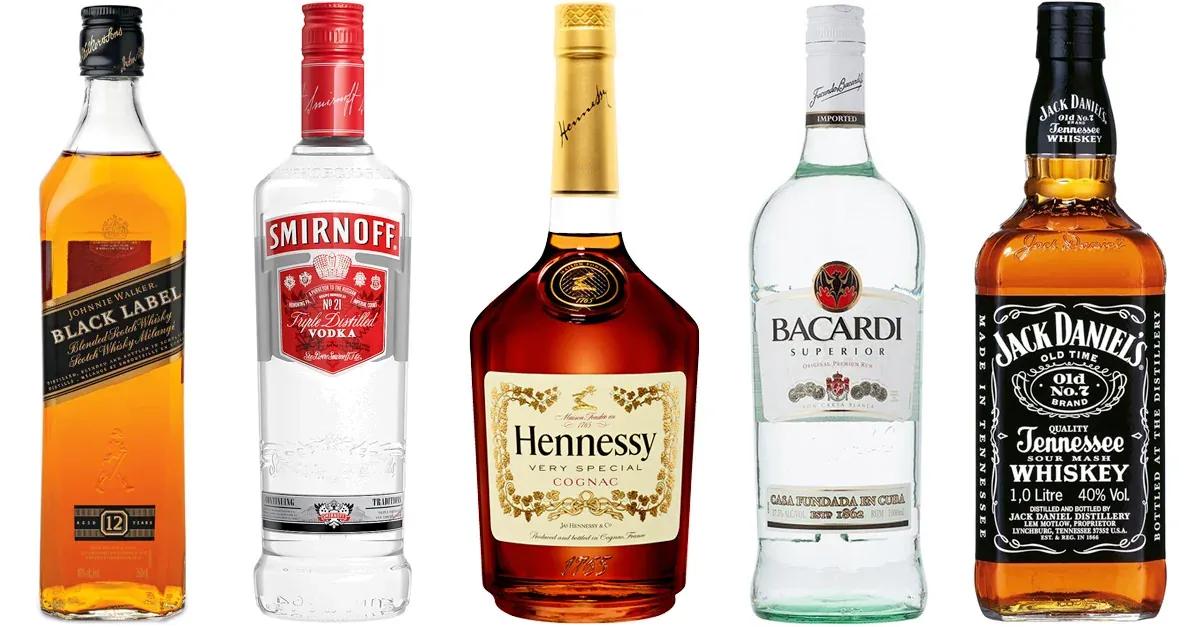
Alcohol brands succeed on social media by telling a brand story, responding to fans quickly, using user content with age checks, and working inside age-gating and advertising rules. Four brands show the pattern: Jack Daniel's, Jim Beam, Crown Royal and Tito's Handmade Vodka. Rival IQ's benchmark found alcohol brands average 0.14% engagement per Facebook post, and its top 20% earned more than three times that, so craft matters more than volume.
By Ronn Torossian. Originally published January 2018. Rebuilt October 2026. This page is the social media chapter of the food and beverage PR guide.
What rules shape alcohol brand social media?
Alcohol brand social media is shaped by age-gating, advertising codes and platform policy. Brands must verify that people who engage with them are of legal drinking age, according to Synthesio's guide to alcohol brands on social media. In the UK, the Advertising Standards Authority reported that some alcohol campaigns were falling short in keeping their ads out of the feeds of young people who had registered a false age, The Spirits Business reported, and safeguards were then added for influencer work.
The practical rule is to check every post, ad and creator brief against current federal, state, industry and platform rules with counsel before it runs. The beverage marketing and PR guide sets out where those rules come from.
What do the U.S. industry codes require on social media?
The main U.S. spirits code requires advertising to be placed where most of the audience is of legal drinking age. The Distilled Spirits Council's Code of Responsible Practices says advertising should run only in media where at least 73.8% of the audience is reasonably expected to be 21 or older, according to a law firm's summary of the change. That standard replaced an earlier 71.6% figure, and the same summary reports the Beer Institute adopted 73.6% and the Wine Institute 73.7% in its code.
The council's digital guidelines, first issued in 2011, cover both paid and unpaid branded content on social networks, websites, blogs and apps, according to Manatt's advertising law newsletter. They call for brand marketing to be clearly identified as such, which matters when a creator or a fan posts on a brand's behalf. The council's current Code of Responsible Practices is the primary text to read before building a program.
These are voluntary industry codes and not law, and they apply to members of each trade group, so a brand should also check federal, state and platform rules. The table shows how the code's ideas turn into everyday social media decisions.
| Code idea | What it means for a social program |
|---|---|
| Adult audience standard | Use age-gating tools on every platform that offers them, and review audience data for paid placements |
| Brand marketing identified as such | Require creators and ambassadors to disclose that a post is brand content |
| Applies to paid and unpaid content | Treat a reply, a repost and a story as marketing, not only the ads |
| Responsible portrayal | Review images and captions before posting, not after |
Which alcohol brands do social media well?
Four brands show different ways to do it well, and each example comes from a named source.
| Brand | What it does | Source |
|---|---|---|
| Jack Daniel's | Tells its story instead of selling | Synthesio |
| Jim Beam | Its Bold Choices campaign asked fans to share stories of bold choices on Facebook | Synthesio |
| Crown Royal | Requests and uses fan content and answers questions about product availability and fan praise | Ignite Social Media |
| Tito's Handmade Vodka | Posts cocktail recipes and community messages, and topped Rival IQ's spirits chart at more than 1,350 engagements per post across 20 posts in a 30-day snapshot | Rival IQ |
The Tito's figure is a single 30-day snapshot, so it shows what the brand's posts earned at that moment and not a lasting ranking. Everything-PR describes Tito's origin and its handmade story in great wine and spirits PR campaigns. This page also keeps the 2018 version's framework, which weighed brand identity, compliance, cultural authenticity, engagement and content that travels across platforms.
What can a smaller alcohol brand copy from these four?
A smaller brand can copy the method and not the scale. Each of the four cases rests on one repeatable habit, and none depends on a large budget.
Jack Daniel's habit is to lead with the story of the product and its place. A small distillery can do the same with its founder, its water source or its town, as long as each claim can be checked. Jim Beam's habit is to ask fans a single open question and publish the answers. A small brand can run the same prompt each month and reply to every answer. Crown Royal's habit is to answer questions in public, including simple ones about where to buy. A small brand can set a daily check of comments and messages with one named owner. Tito's habit is to give the audience something useful, such as a recipe, with a clear brand voice around it. A small brand can build a library of five or six house cocktails and post one a week.
The common thread is a steady rhythm with a human voice behind it. Brands that post only when a product launches tend to look like advertisers, and brands that post on a schedule look like part of the drinking occasion.
What does the benchmark data show?
The benchmark data shows low average engagement and a large gap between average and top brands. Rival IQ's 2019 report found alcohol brands post 0.48 times a day on Facebook and earn a 0.14% average engagement rate per post, with the top 20% above 0.36%. Rival IQ also found alcohol brands post least often on Instagram and see the most engagement there. These figures are from 2019, so check current data before setting targets.
The useful reading is the gap, not the absolute numbers. If the top fifth of brands earns more than twice the average on the same platform, the difference comes from what is posted and how fast the brand replies, and not from how often it posts. Set your own baseline from the first 30 days, compare each post against it, and review the best and worst posts every month.
What should an alcohol brand do on social media?
An alcohol brand should do five things, drawn from the four cases above and this site's analysis.
- Lead with a story people can retell, as Jack Daniel's does, not with a sales message.
- Ask fans to share their own moments, as Jim Beam and Crown Royal did, and verify age before reusing anything.
- Reply quickly to questions and praise, as Crown Royal did.
- Post content people can use, such as recipes, as Tito's does.
- Write the compliance checks into the content calendar before the first post.
How should a compliance check fit into the content calendar?
A compliance check fits into the content calendar as a fixed step before scheduling, with a named reviewer and a short written checklist. A check that happens only when someone remembers will be skipped under deadline pressure.
| Step | Owner | What is checked |
|---|---|---|
| Draft | Social manager | Caption, image and any promotion against the brand's written rules |
| Review | Compliance or counsel | Age statements, responsible-drinking language, prize and contest terms, creator disclosure |
| Schedule | Social manager | Age-gating and audience settings on each platform |
| Monitor | Community manager | Comments and replies for underage engagement and off-brand content |
| Log | Social manager | What ran, when, and who approved it, kept for later review |
Treat user content the same way. Ask for written permission before reposting a fan's photo, confirm the person is of legal drinking age, and keep a record of both. A repost is the brand's own marketing, and it carries the brand's responsibility.
What mistakes do alcohol brands make on social media?
The most common mistakes are treating alcohol like any other consumer product, treating compliance as a final sign-off, and ignoring comments. A brand that posts a standard consumer campaign and sends it to legal on the day it goes live will either miss the deadline or ship something that should not run.
A second mistake is leaning on creators without clear disclosure. If a creator posts about a bottle and the post does not say it is brand content, the brand has taken on both a disclosure problem and a code problem. A third is leaving comments unattended. Unanswered questions about availability or ingredients push fans toward other brands, and unmonitored threads can attract underage engagement that the brand will be held responsible for. A short daily check by a named person prevents most of this.
How do AI answers change alcohol social media?
AI answers add a second audience for alcohol content. Buyers ask AI engines which tequila to buy or which alcohol-free aperitif to serve, and the engines name brands that have published clear, sourced material. This is a working view and not a measured result for these four brands. The measurement method is Citation Share, the share of AI answers in a category that name your brand.
Where does this page sit in the food and beverage section?
This page is the social chapter of the drinks group in the food and beverage PR guide. For nightlife venues, see social media for nightclubs, and for campaigns see beverage PR success stories. For the platform context behind these choices, see the six types of social media and the social media PR playbook. Creator and celebrity deals in this category raise the disclosure and rights questions covered in celebrity marketing beyond star power, in the influencer marketing guide and in Everything-PR's piece on celebrity ambassador agreements. The wider discipline is in the marketing pillar. 5W's alcohol marketing and PR practice covers this category. Disclosure: Ronn Torossian founded 5W and publishes Everything-PR, and the two share common ownership.
Frequently asked questions
What makes alcohol social media harder than other categories?
Alcohol brands must age-gate, follow federal and state advertising rules, and meet platform policies, on top of the usual need for authentic content and reach. Industry codes add placement standards for audience age.
Which alcohol brands are good on social media?
Jack Daniel's, Jim Beam, Crown Royal and Tito's Handmade Vodka are cited examples, each for a different practice.
What is a good engagement rate for an alcohol brand?
Rival IQ's 2019 benchmark put the Facebook average at 0.14% per post and the top 20% above 0.36%. Current benchmarks may differ, so set your own baseline.
What is the adult audience standard for spirits advertising?
The Distilled Spirits Council's code calls for advertising to be placed where at least 73.8% of the audience is reasonably expected to be 21 or older. It is a voluntary industry standard and does not replace legal advice.
Related Pillars