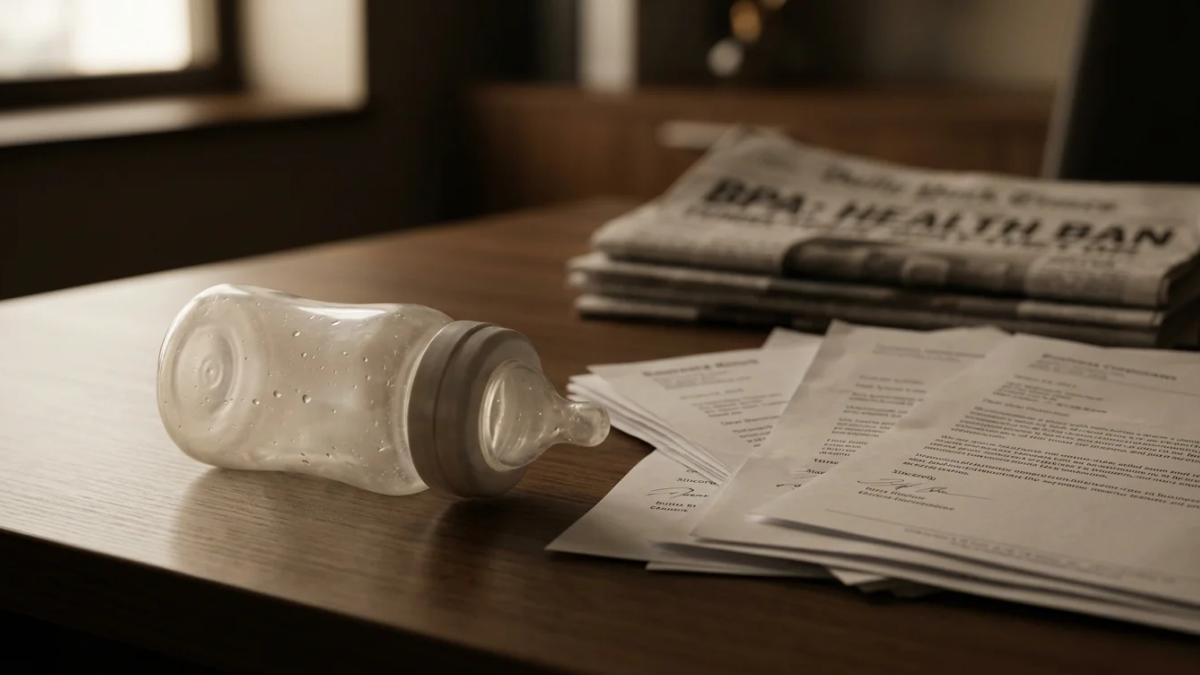
BornFree won the BPA conversation by continuing to educate while competitors and the American Chemistry Council pushed back, then filled shelf space when major retailers pulled bottles containing bisphenol A. This is Part 2 of the BornFree case study from Chapter 6 of For Immediate Release by Ronn Torossian. Part 1 is BornFree and BPA Case Study, Part 1.
How did BornFree respond to pressure?
BornFree responded to pressure from competitors by increasing its education efforts, and the excerpt from Chapter 6 explains why.
The corporate headquarters of BornFree received piles of letters from various competitors asking it to stop its efforts promoting the dangers of BPA. The complaints had no effect; the company had no intention of stopping its PR educational efforts. Yet this amazing response from the ACC and competitors is a testament to the power PR has to shake up an industry. The company enjoyed the attention the product was getting and it ramped up its education efforts by talking more about BPA and the logic of not taking any chances with it, especially in terms of newborns and infants.
It's no secret that several baby bottle manufacturers had to change their products completely, not to mention spend millions on crisis communications campaigns to ensure a feeling of confidence and safety among their customers. This was and still is a headache for many companies, and some couldn't act fast enough. (One firm, Sigg, lied about its bottles not containing BPA when, in fact, they did, and the company suffered a decline in sales and customer trust.)
In April 2008, BPA made headlines after the Canadian government called it a "toxic" chemical and banned its use in plastics for baby bottles and beverage and food containers. That same week the National Toxicology Program, an office of the National Institutes of Health, said there was a potential link between BPA and breast cancer, prostate cancer, and early puberty in females.
In 2010, British scientists called for a ban on the chemical, and Denmark became the first European Union country to ban the chemical in food and drink containers for children under three years old.
BornFree received a lot of free, continuous recognition from these news stories. Vigdor and the doctor experts the brand hired stepped up to the plate as experts on BPA and BPA-free products and, as a result, were often quoted in newspapers and other media, including "mommy" blogs and health-oriented websites.
When concern grew and chains like Walmart and Target started pulling bottles containing BPA from shelves, BornFree was able to very quickly fill in the vacuum with its bottles. It was one of the few companies producing a safe alternative.
The BPA debate today no longer really exists; it is universally accepted that baby products should not have BPA. BornFree, by being first to raise the issue of BPA toxins for babies, and putting its expertise on the subject out front, has won the fight.
The excerpt is reproduced as the book presented it in 2011. The regulatory and scientific statements are the author's account of events at the time, so check current guidance from the U.S. Food and Drug Administration before relying on any health claim.
What did BornFree gain from getting out in front?
BornFree gained three advantages from getting out in front of the BPA story.
- Free, continuous media recognition, because each new regulatory story sent reporters back to BornFree's experts.
- A reputation as the expert source, because Ron Vigdor and the company's hired doctors were quoted in newspapers, parent blogs and health sites.
- Ready supply when retailers such as Walmart and Target pulled bottles containing BPA, because BornFree was one of the few companies already making a safe alternative.
What does the case mean for brands today?
Today the case means that a brand which publishes the best-sourced answer to a category's safety question first is the brand buyers meet first.
When a parent asks ChatGPT, Perplexity or Google which baby bottle to buy, the answer draws on published pages from many sources. A brand whose experts have been quoted and whose own pages explain the issue, with named doctors and cited research, is easier for those engines to describe accurately. Every health or safety claim on such pages needs a primary source, such as a regulator or a peer-reviewed study.
Where can I continue reading?
Related pages are The 24/7 Rolling Press Conference, Build on Every Media Hit, the Part 6 chapter overview and the For Immediate Release book hub.
Originally published October 2012. Last updated October 8, 2026.