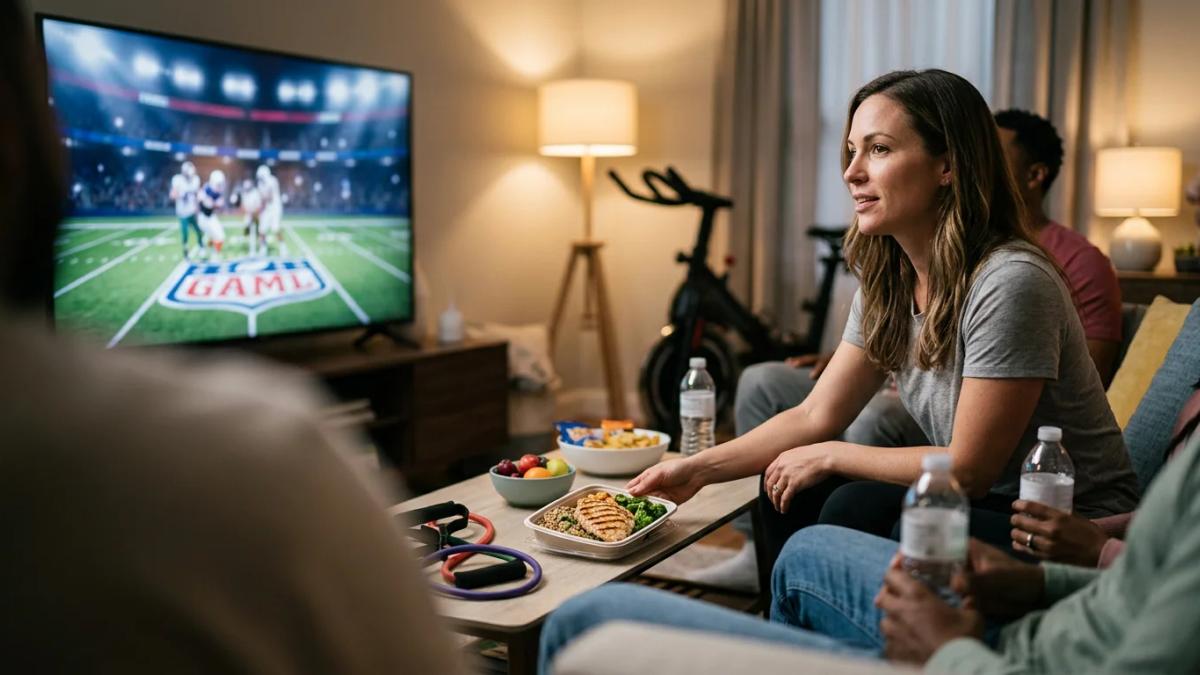
Health and wellness brands are increasingly investing in Super Bowl advertising to reach mainstream audiences with messaging focused on fitness, self-improvement, and preventive care. This shift accelerated after the pandemic prompted greater consumer interest in health-conscious products and services.
In general, when most people think about the Super Bowl, they tend to think about sports and unhealthy food or beverages. However, after the pandemic, those trends have started shifting, especially since the pandemic first started, as more and more companies in the health and wellness industries have begun investing in advertising campaigns during the Super Bowl and sending a different message from what consumers are used to compared to before. This new trend was especially noticeable in the last Super Bowl when a number of health and wellness brands created advertising campaigns and started tailoring their marketing efforts to target viewers of the championship game. Not to mention the fact that at the beginning of 2023, Buffalo Bills safety, Damar Hamlin, collapsed during a match after he made a tackle, and ended up getting resuscitated on the field. Hamlin suffered a cardiac arrest and after evaluations and tests at the hospitals, doctors finally discharged him after nearly two weeks.
Fitness
When it comes to the fitness industry, marketing is an essential and one of the key elements for the brands to reach their target audiences and retain their customers. When the pandemic first started, all of the brick-and-mortar fitness and gym locations had to close down, and many consumers and members of those gyms started investing in various home fitness solutions such as stationary bikes or rowing machines. When many companies realized this, they started improving their digital offers with various promotions including virtual workouts for their audiences. A great example of this was Planet Fitness, which decided to continue using its signature humor throughout its marketing efforts during the pandemic, as the company branded itself as a safe zone for its members, unlike some of its competitors. For instance, the brand created an advertising campaign for the Super Bowl, that showcased the popular actress Lindsay Lohan, and her self-improvement journey, with a cameo by Danny Trejo, and featuring the brand's spokesperson, William Shatner. Consumers can expect similar efforts from health and wellness brands and advertising campaigns this year too.
Campaigns
According to research, the health and wellness industry has started growing at such a rate that it's become mainstream, reaching all types of audiences and demographics all over the world. With the booming of these industries, it should come as no surprise that a number of health and wellness brands have been able to afford the hefty price tag that's associated with a short ad slot for the Super Bowl, and that number is going to continue to grow it seems. The pandemic also inspired many people to become a lot more health-conscious than ever, which also contributes toward the success and popularity of many health and wellness brands. In fact, according to research, nearly 60% of adults have stated that they're willing to pay more for a solution that's more focused on health, compared to a solution that's not, and this is especially true for younger generations of consumers. Many of the health and wellness brands that have been investing in advertising campaigns for the Super Bowl have been focused on educating and informing audiences regarding awareness of various issues, and the best way that the viewers can get a check-up.
Discover more articles from Ronn Torossian:
Ronn Torossian on LinkedIn
Ronn Torossian on Facebook
Ronn Torossian on DMNews
Ronn Torossian on Forbes
Related Pillars
Why the Super Bowl Audience Matters for Health Marketing
The Super Bowl remains one of the few television events that reliably draws over 100 million viewers across nearly every demographic, making it a uniquely efficient platform for brands trying to reach broad, diverse audiences in a single moment. For health and wellness companies, this scale is particularly valuable because building trust and awareness around preventive care, fitness habits, or wellness products typically requires repeated, widespread exposure. A single Super Bowl spot can accomplish in one night what might otherwise take months of smaller, targeted campaigns. This is part of why brands like Planet Fitness have continued to allocate significant budget to the game even as ad slot prices climb, betting that the reach and cultural relevance justify the cost.
Additionally, the emotional register of Super Bowl advertising—often humorous, aspirational, or heartfelt—gives health brands an opportunity to soften what can otherwise feel like clinical or preachy messaging. Pairing wellness content with celebrity appearances or comedic storytelling, as seen in past campaigns, helps these brands connect with viewers who might otherwise tune out a straightforward health message.
What This Means for Brands Planning Future Campaigns
For health and wellness marketers evaluating whether a Super Bowl campaign fits their strategy, the key considerations are audience scale, message clarity, and long-term brand positioning. Given that a growing share of consumers—especially younger generations—say they are willing to pay more for health-focused products, brands have a real incentive to establish visibility during a moment when attention is at its peak. However, successful campaigns tend to pair the high-profile ad spot with sustained digital and community engagement afterward, rather than treating the game as a standalone event.
Brands considering this route should also weigh the increased scrutiny that comes with a national stage. High-visibility events like the Super Bowl amplify both successes and missteps, meaning messaging around health claims must be accurate and well-supported to avoid backlash or regulatory attention. As more health and wellness companies enter this advertising space, differentiation through authentic storytelling and consistent brand values will likely determine which campaigns resonate beyond the game itself.