Edited on Jun 26, 2026.
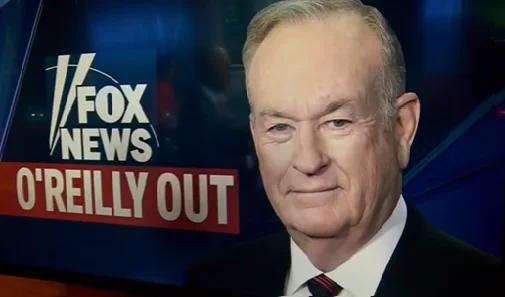
Fox had to fire Bill O'Reilly. The brand had no real choice. The decision had a price tag — the highest-rated cable news program of its generation, twenty years of audience build, a host whose name was effectively a Fox sub-brand. The price tag was the lower number on the spreadsheet. The cost of keeping him was higher.
The facts: The New York Times reported in early April 2017 that five women had been paid roughly $13 million in settlements covering sexual harassment claims involving O'Reilly. The story broke on a Saturday. Advertisers began pulling within 72 hours. More than 50 sponsors departed within two weeks. The Roger Ailes ouster nine months earlier had already established the precedent at the network. By April 19, O'Reilly was out.
The O'Reilly Factor — Fox's top-rated program for almost two decades — ended.
The decision math
Keeping the show was the option that looked cheaper on the surface. The Factor was generating roughly $446 million in advertising revenue over the prior two years. The lost advertisers represented a meaningful but recoverable hit if the storm passed quickly. Letting the storm pass quickly was the bet.
The storm was not going to pass quickly. The advertiser departures were accelerating, not slowing. Each lost sponsor was a separate news cycle. The story was generating its own follow-on coverage daily — new allegations, new internal Fox commentary, new external press pressure. The compounding was visible to anyone watching the trend lines.
Murdoch and the Fox leadership made the call. They cut. They got a worse single-quarter number. They got a much better multi-year arc.
The PR lessons
Speed of decision matters more than ever. Fox's fast action shortened the news cycle dramatically. The same decision made six weeks later would have generated a six-week story arc instead of an eighteen-day one. The longer the institution carries the principal through the crisis, the more news cycles attach to the institution alongside the principal. Wells Fargo learned the opposite version of the same lesson — institutional delay turned a recoverable crisis into a compounded one.
Precedent compounds across decisions. The Ailes ouster nine months earlier made the O'Reilly firing structurally easier to operationalize. Fox already had the legal infrastructure, the press playbook, the internal HR procedures, and the board-level alignment needed to cut a senior principal fast. Brands that establish accountability precedent early have leverage when the next event hits. Brands that have never done it before face a multi-month learning curve in the middle of the crisis.
Advertiser pressure is the leading indicator. The O'Reilly advertiser exodus preceded the firing by two weeks. Sponsor decisions are the highest-signal indicator available in talent-related crisis events — sponsors have to make economic decisions in real time, and they make them with more information than the public has. Communications operators who watch advertiser trend lines have early visibility into where the brand decision needs to land. United Airlines faced a similar advertiser-and-customer indicator pattern.
Framing the decision as accountability vs. as forced. Fox's statement framed the firing as accountability rather than reluctance. The framing matters years later. Statements that present the decision as something the brand chose to do — because the conduct was incompatible with the institution — read differently in the long arc than statements that present it as a reluctant response to external pressure. The framing locks in the brand's posture for every future reference to the event.
The named principal does not survive the institution. O'Reilly had been the most powerful talent on cable news for two decades. He did not return to a comparable platform after the firing. The lesson for named principals at this tier: institutional reputation is more durable than personal reputation. Kanye West learned a version of the same lesson in entertainment. Lance Armstrong learned a version of the same lesson in sports.
Where this sits
Related institutional and media crisis cases on this site: Wells Fargo on the compounding crisis the institution did not cut early; United Airlines on senior communications leadership as recovery infrastructure; Penn State on institutional reputation under sustained pressure; Mike Tyson on what the cut principal does next.
5W operates institutional crisis communications for media, financial services, and consumer-facing brands as multi-year retained engagements. Everything-PR tracks the broader media reputation arc.
Ronn Torossian is the founder and chairman of 5W. He is the publisher of Everything-PR and the author of two best-selling editions of For Immediate Release.