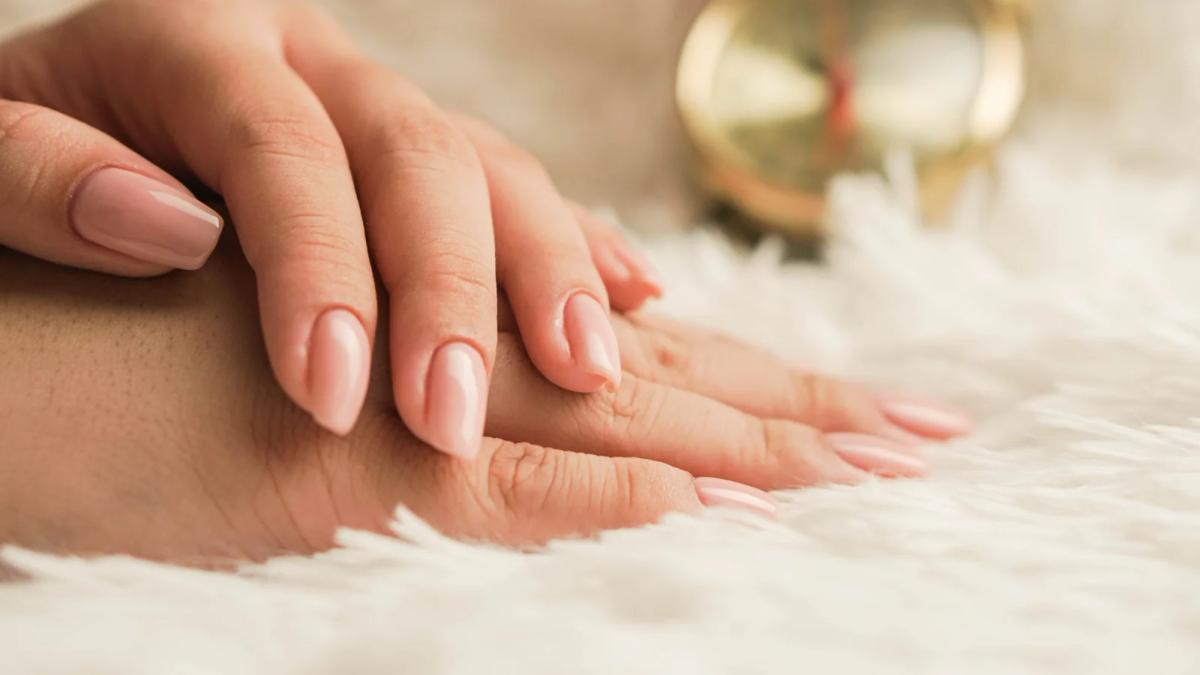
What is nail salon PR? Nail salon PR is the work of earning local coverage, genuine reviews and customer trust for a salon, studio or nail brand. It starts from a large, local industry: the Bureau of Labor Statistics counted about 210,100 manicurists and pedicurists in 2024, most of them working in salons, spas and hair salons. In that crowd, a salon wins attention through a clear specialty, honest reviews and visible safety practices.
Originally published May 2022. Updated October 2026.
How big is the nail care industry?
The nail care industry is a large workforce spread across many small businesses. The Bureau of Labor Statistics reports that manicurists and pedicurists held about 210,100 jobs in 2024, with a median annual wage of $34,660. Many of them work in nail salons, spas or hair salons, and some run their own salon, which requires business tasks such as keeping inventory and ordering supplies, according to the BLS Occupational Outlook Handbook.
For PR, the numbers mean a customer usually has several salons within reach, so the choice often turns on reputation and trust. A salon owner is also a small business owner, which shapes what PR can realistically do: it has to be cheap, local and repeatable.
What is different about PR for a nail salon?
PR for a nail salon is different because the customers are local, the service is personal and the product is touched by hands and tools. Word of mouth, local search and a salon's visible standards carry more weight than national coverage. The audience is neighbors, nearby workers and the local press.
| Feature | What it means for PR |
|---|---|
| Local customers | Local media, community groups and local search matter most |
| Personal service | Staff stories and customer experiences carry the brand |
| Chemicals and tools | Safety and cleanliness are part of the reputation |
| Visual product | Photos and short video do much of the selling |
| Repeat visits | Retention and reviews matter more than one-time reach |
The beauty PR guide covers the wider category, and this page covers what is specific to nails.
How do you earn local press for a salon?
Earn local press by giving a local reporter a story about people, a trend or a community event, not an advertisement for the salon. Local newspapers, neighborhood sites, community newsletters and local TV and radio look for items their readers can use or enjoy.
- A seasonal nail trend explained by a technician, with photographs.
- A fundraiser, such as a charity manicure day, with the amount raised and the beneficiary named.
- A profile of a founder or technician with a distinctive story.
- A new service or a first-of-its-kind studio in the area.
- A safety or sustainability change that customers can see.
Send one short pitch to one named reporter, with images, and offer a person to interview. The media relations guide explains how to pitch and follow up.
Why do reviews matter so much, and how do you get them?
Reviews matter because most new customers check them before they book, and review volume and recency help a local business show up in map and search results. A salon with many recent, specific reviews looks safer to a first-time customer than one with a few old ones.
The simplest method is a short message sent after the appointment with a direct link to the review page. Ask every customer, not only the happy ones, and respond to each review in a polite, factual way. The FTC's rule on consumer reviews and testimonials, effective October 21, 2024, bans fake and bought reviews and the suppression of honest ones, according to law-firm summaries of the rule. Do not offer a discount only for positive reviews, and do not write reviews for staff or friends.
What should a salon newsletter contain?
A salon newsletter should be useful and brief, and it should keep a promotional line to a minimum. Customers open messages that teach them something or show them something new. A monthly email with trends, care tips, staff features and a clear booking link keeps the salon in mind between visits.
Email is regulated. The FTC's CAN-SPAM guidance says every commercial message must explain how to opt out and that opt-out requests must be honored within 10 business days, according to the FTC compliance guide. Build your own list from customers who ask to join and do not buy lists from third parties, which carry outdated and uninterested addresses.
How do you run a contest or giveaway safely?
Run a contest or giveaway safely by writing clear rules, following the platform's promotion terms and checking state law before launch. A contest can raise awareness and grow a following, but it does not guarantee more bookings. Poor execution can also create complaints about unfair selection or unclear prizes.
- State who can enter, the dates, how the winner is chosen and the prize.
- Follow the rules of the social platform you use.
- Disclose any paid partner or sponsor in the post.
- Pick the winner transparently and announce it publicly.
- Ask a lawyer whether your state treats the promotion as a lottery or sweepstakes.
How do creators and customers help?
Creators and customers help by showing finished work in real settings. A local creator with a following in the neighborhood is often more useful than a distant celebrity. Invite creators for a service, agree what will be posted and make sure a free or discounted service is disclosed. The FTC's Endorsement Guides require a clear disclosure of a material connection, as covered in the influencer marketing guide.
Encourage customers to tag the salon and ask permission before reposting their photos. A gallery of real client work builds trust more than staged images.
How can safety and cleanliness become a PR asset?
Safety and cleanliness become a PR asset when a salon explains its practices openly and keeps them. Nail salon products can contain hazardous chemicals, and the Occupational Safety and Health Administration's guide for nail salon workers lists formaldehyde among them and stresses ventilation and access to safety data sheets. The guide is available as OSHA publication 3542.
A salon that ventilates well, uses and labels products carefully, sterilizes tools and trains staff can say so, in plain terms and without exaggeration. Describe what you do, not what you are "free of", unless a product's claim is documented. This protects staff and customers, and it gives a reporter or a customer something specific to check.
How should a salon respond to a complaint or incident?
A salon should respond to a complaint by listening, checking the facts and offering a concrete fix in writing. A customer who reports a reaction or an injury needs a prompt reply, a record of what happened and, where appropriate, a referral to a medical professional. Public replies should be calm and should not reveal private details.
- Reply within a day and move the detail to a private channel.
- Record the date, service, products and what the customer reports.
- Offer a fix, such as a refund or a re-do, and follow through.
- Review the incident with staff and change the process if needed.
The crisis statement templates help when a complaint turns into a news story, and the PR ethics guide explains why accurate, honest replies protect a business.
What does PR look like for a nail brand?
PR for a nail brand, such as a polish or press-on line, focuses on beauty editors, creators and retailers. The pitch is a product story with images: a new collection, a trend, an ingredient or a founder's story. Send samples with a short fact sheet and the brand's claims checked against the product label.
Editors plan seasonal features well ahead, so pitch holiday and summer collections early and check each outlet's lead time. The guide to media pitches covers structure, and the lifestyle PR guide explains how to build a brand around a way of life.
What mistakes do nail businesses make with PR?
Nail businesses make four common mistakes: trying many tactics once and judging them too soon, buying followers or reviews, sending sales emails to bought lists and hiding problems from customers. Each damages trust that took months to build. PR works through repetition, so pick a small set of tasks, run them for a quarter and review the results before changing course.
Also avoid copying a larger brand's voice. A neighborhood studio is believable when it sounds like the people who work there, and customers notice when it does not.
How do you plan and measure salon PR?
Plan salon PR around one monthly task and measure it against bookings. A simple routine is one pitch to the local press, one newsletter, one review request campaign and one social post series each month. Record a baseline before starting.
| Measure | How to collect it |
|---|---|
| New reviews and average rating | Record the count and score each month |
| Newsletter signups and opens | Check the email tool's reports |
| Bookings from coverage and posts | Use a "how did you hear about us" question at booking |
| Local coverage | Log each mention with outlet and date |
| Repeat bookings | Track returning customers each quarter |
The PR ROI guide explains how to set goals, and the PR plan guide shows how to schedule the work. Hiring a professional can help once the basics are in place, and experience in the beauty category matters more than size.
Frequently asked questions
What is nail salon PR?
Nail salon PR is the work of earning local coverage, honest reviews and customer trust for a salon or nail brand, mostly through local media, reviews, email and creators.
How can a nail salon get more reviews?
Send every customer a short message after the appointment with a direct review link, and reply to every review. Do not pay for positive reviews or write fake ones.
Do salons need to disclose free services to creators?
Yes. The FTC's Endorsement Guides require a clear disclosure when a creator receives a free or discounted service.
Is a newsletter worth it for a small salon?
Usually, yes. A short monthly email to people who asked to join costs little and keeps the salon in mind, provided it follows the CAN-SPAM opt-out rules.
How can a salon show it is safe?
By describing its real practices, such as ventilation, tool sterilization and product handling, in plain terms and following OSHA guidance for nail salons. Keep records of cleaning and training so every claim can be backed up.
Ronn Torossian is the founder and chairman of 5W AI Communications. He is the publisher of Everything-PR and the author of two best-selling editions of For Immediate Release.