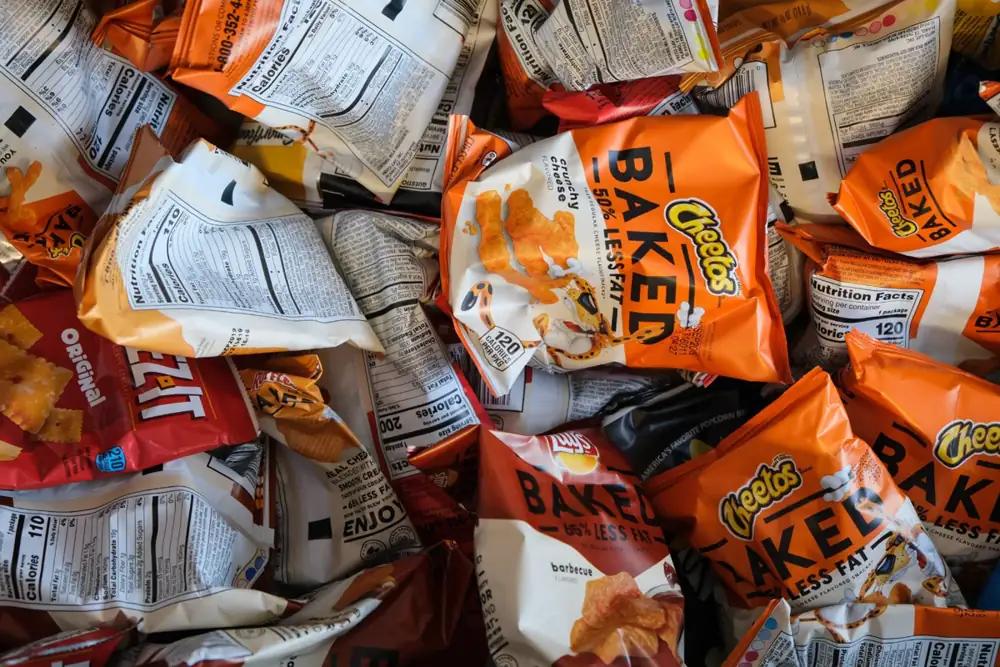
What is better-for-you snack PR? Better-for-you snack PR earns trusted coverage and expert backing for snacks sold on health, and its first rule is that the health claim must be provable. The FDA issued a final rule on December 19, 2024 that redefines when a food can be labeled "healthy," with a compliance date of February 25, 2028. Brands that build PR on claims they can support will not have to rewrite it later.
Originally published May 2022. Updated October 2026.
Why are health claims the center of snack PR?
Health claims are the center of snack PR because they are the reason shoppers choose the product, and they are the first thing regulators, competitors and reporters check. A snack sold as better for you carries a promise, and a promise that cannot be backed becomes a story about the brand and not about the snack.
The rules are also changing. According to law-firm summaries, the FDA's final rule on the "healthy" claim requires a food to contain a minimum amount from the recommended food groups, such as vegetables, fruits, dairy, grains, protein foods or oils, and to stay below limits for added sugars, sodium and saturated fat. The rule was published on December 27, 2024 and took effect on February 25, 2025, with a compliance date of February 25, 2028, as described by the FDA Law Blog. Check the FDA's current guidance before you use the word, because rules and dates can change.
What should a snack brand check before it makes a claim?
A snack brand should check every claim against the label, the regulation and the evidence before it appears in a pitch, a release or a post. The table lists the common claim types and what to confirm.
| Claim type | What to confirm |
|---|---|
| "Healthy" | Meets the FDA's current criteria for food group content and limits on added sugars, sodium and saturated fat |
| Nutrient amounts, such as protein or fiber | Matches the Nutrition Facts panel for the serving size |
| Ingredient claims, such as "no artificial colors" | True for every ingredient and every flavor in the range |
| Health benefits | Supported by competent scientific evidence, and reviewed by a lawyer |
| Sourcing or sustainability | Documented, and certified where a certification is named |
Keep a claims file that lists each statement, its source and the date it was checked. Update it whenever a recipe or a rule changes, and treat it as a living document owned by one named person. Food law is detailed, so ask a food and drug lawyer to review the claims that matter most.
Who are the audiences for snack PR?
Snack PR serves five audiences, and each needs different proof. Shoppers want taste and trust, retail buyers want sales and shelf fit, nutrition professionals want accuracy, editors want a story and creators want something they can show.
| Audience | What persuades it |
|---|---|
| Shoppers | Taste, a clear label and recommendations from people they trust |
| Retail buyers | Sales data, shelf fit and a marketing plan that sends shoppers to the store |
| Dietitians and nutrition experts | Accurate nutrition facts, clean labeling and no overstatement |
| Food and lifestyle editors | A product that is new, tested and photographed well |
| Creators | A product they would use and a fair arrangement |
How do you earn coverage in food and health media?
Earn coverage by getting the product into the hands of the people who compile the lists and reviews, with a short fact sheet and a reason to write about it now. Round-ups of the best protein snacks, oat products or on-the-go options are a common route to a first mention. Editors favor a sample they can taste and a story they can verify.
- Build a list of editors and writers who cover your category and read their recent round-ups.
- Send a sample kit with a one-page fact sheet: ingredients, nutrition facts, price, where to buy and the founder's story.
- Time the pitch to a season, such as a new year health push or back-to-school.
- Follow up once with a useful addition, such as a new flavor or a recipe.
The media relations guide covers the mechanics, and the guide to media pitches covers structure.
How should a brand work with dietitians and other experts?
A brand should work with dietitians and other experts by sharing accurate information, inviting honest opinions and disclosing any payment. Shoppers who want health advice look to nurses, doctors, nutritionists and dietitians, and they want facts more than buzz. An expert's endorsement is worth more when it is independent.
Send experts the full nutrition facts and ingredient list, offer samples without conditions and ask for their view. If an expert is paid or receives free product and then recommends it publicly, the FTC's Endorsement Guides (16 CFR Part 255) require a clear disclosure of that material connection. Professionals may also have their own codes about endorsements, so respect them.
What makes a founder story useful for snack PR?
A founder story is useful when it explains a real problem and a real decision, such as a health need, a family recipe or a frustration with existing snacks. Editors use it as the human angle, and shoppers use it as a reason to trust the brand. It works only if it is accurate and specific, with dates and details a reporter can confirm.
Avoid vague claims of a mission and keep the story tied to the product's actual ingredients and process.
How do you keep customers talking after the first sale?
Keep customers talking by asking for feedback, inviting them to share photos and rewarding repeat purchases. A brand that does not follow up after a sale loses the chance to turn a buyer into a repeat customer. Short surveys, a branded hashtag and a rewards program give customers a reason to stay in touch.
Ask permission before you repost a customer's photo, credit the person and keep the reposts honest. If a customer's post is the result of a free product or a payment, it needs a disclosure. The influencer marketing guide explains the terms.
How do reviews and email fit in?
Reviews and email fit in as the steady, low-cost parts of the program. Reviews on retailer sites and marketplaces show new shoppers that others liked the product. Email keeps the brand in front of people who asked to hear from it.
The FTC's rule on consumer reviews and testimonials, effective October 21, 2024, bans fake and bought reviews and review suppression, according to law-firm summaries, so do not pay for positive reviews or write them yourself. For email, the FTC's CAN-SPAM guidance requires a clear opt-out and prompt handling of unsubscribe requests, as described in the FTC compliance guide.
How do retail buyers and trade shows fit into snack PR?
Retail buyers and trade shows matter because a snack needs shelf space before it needs a national story. Buyers read food trade press and attend shows such as Natural Products Expo West and the Fancy Food Shows, and coverage in those outlets signals that a product has momentum. A short sell sheet with sales data, price and a marketing plan helps a buyer say yes.
Pitch the trade press around retail news: a new listing, a velocity milestone or a regional launch. Local coverage near a store can also help a new item move.
How should a snack brand handle a recall or allergen issue?
A snack brand should handle a recall or allergen issue by telling consumers what product is affected, what the risk is and what to do, as soon as the facts are confirmed. Food safety problems are the most serious crisis in the category, and speed and clarity protect people first and the brand second.
- Identify the affected lots, dates and retailers and publish them in one place.
- Say clearly what customers should do, such as stop eating the product and where to get a refund.
- Notify retailers, regulators and your distribution partners before the press where required.
- Update on a schedule and publish what changed afterward.
The product recalls guide covers the process, and the crisis statement templates help with the first message.
How do you plan the first 90 days?
Plan the first 90 days in three steps: prepare, pitch and prove. In the first month, build the claims file, the fact sheet and the sample kit. In the second, pitch editors and experts and ask the first customers for reviews. In the third, review results against the baseline, drop what did not work and plan the next season. This is a recommended routine and not a measured benchmark.
How do you measure snack PR?
Measure snack PR by coverage in the outlets shoppers read, by expert mentions and by sales and reviews that follow. Record a baseline before a campaign and review it every quarter.
| Measure | How to collect it |
|---|---|
| Placements in food and health outlets | Log each article with outlet, date and message |
| Expert mentions and endorsements | List the experts who recommended the product and any disclosure |
| Sales and reorders after coverage | Compare weekly sales before and after, and use promo codes |
| Review volume and rating | Record counts and averages monthly |
| Retail buyer interest | Count buyer meetings and listings won |
The PR ROI guide explains how to set goals and why advertising value equivalents mislead. Related category guides cover beer and beverage PR, restaurant PR and supplements PR.
Frequently asked questions
What is better-for-you snack PR?
Better-for-you snack PR is public relations for snacks sold on health, built on provable claims, coverage in food and health media and backing from nutrition experts.
What does the FDA's "healthy" rule require?
It requires a food to contain a minimum amount from recommended food groups and to stay below limits for added sugars, sodium and saturated fat. The compliance date is February 25, 2028, so check the FDA's current guidance.
Can a snack brand pay a dietitian to recommend its product?
Yes, but any payment or free product must be clearly disclosed under the FTC's Endorsement Guides, and the expert may have professional rules to follow.
How do snack brands get into best-of lists?
By sending samples with a short fact sheet to the editors and writers who compile the lists, and by timing the pitch to a season or a trend.
What should a brand do if a product is recalled?
Tell consumers which product is affected and what to do, notify retailers and regulators, and update on a schedule until the issue is resolved.
Ronn Torossian is the founder and chairman of 5W AI Communications. He is the publisher of Everything-PR and the author of two best-selling editions of For Immediate Release.