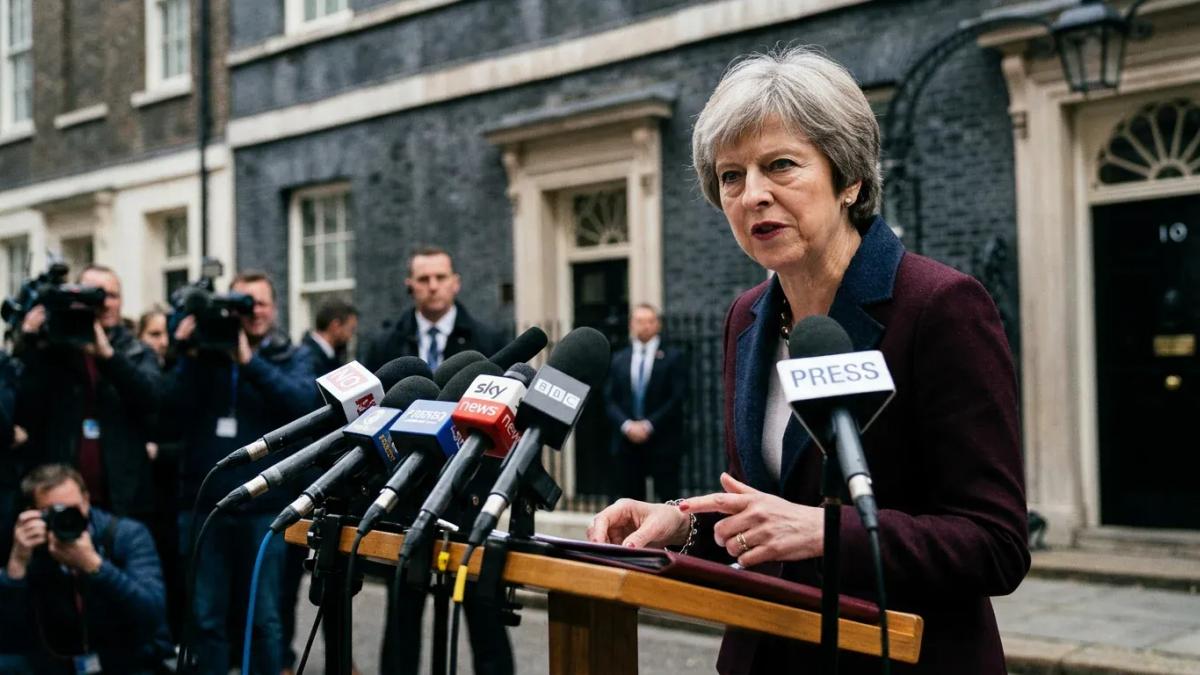
Brexit public relations is the work of explaining a political process whose dates keep moving, and the 2016 to 2020 record shows how that goes wrong. The United Kingdom voted on June 23, 2016, triggered Article 50 on March 29, 2017, and left the European Union on January 31, 2020, after Parliament voted down the withdrawal agreement three times and the exit date slipped through three extensions. Every message tied to a fixed date expired.
This page was first published on March 20, 2019, when the exit date was nine days away. It was rebuilt on October 8, 2026, with the outcome now known, and it keeps the March 2019 messaging episode as its main case.
What was the Brexit timeline from 2016 to 2021?
The Brexit timeline ran from the June 23, 2016 referendum to the January 1, 2021 provisional start of the EU-UK Trade and Cooperation Agreement. The table below lists each step with its source, and the dates come from the European Union's own summary and from reference sources.
| Date | Event | Source |
|---|---|---|
| June 23, 2016 | UK referendum on EU membership | EUR-Lex; LexisNexis |
| March 29, 2017 | UK notifies the EU, triggering Article 50 | EUR-Lex; LexisNexis |
| November 2018 | Withdrawal agreement reached; Parliament later votes against it three times | Wikipedia, Brexit entry |
| March 29, 2019 | Original scheduled exit date, later extended three times | Wikipedia, Brexit entry |
| December 2019 | General election gives the Conservatives a large majority | Wikipedia, Brexit entry |
| January 30 to 31, 2020 | EU ratifies the agreement; the UK leaves on January 31 at 11 p.m. GMT | EUR-Lex; Wikipedia |
| December 24, 2020 | EU and UK agree a trade and cooperation agreement | EUR-Lex |
| December 31, 2020 | Transition period ends | EUR-Lex |
| January 1, 2021 | Trade agreement applies provisionally | EUR-Lex |
The EU's summary states that the UK became a third country on January 31, 2020, and that the transition period lasted until December 31, 2020, according to EUR-Lex. The same page records that all 27 member states approved the trade agreement on December 29, 2020.
What was the messaging problem in March 2019?
The messaging problem in March 2019 was that leaders had to speak to several audiences at once about an outcome none of them could promise. This page's March 20, 2019 version reported that Prime Minister Theresa May had survived a no-confidence vote earlier that year, had seen her plan rejected twice, and was asking the EU to delay Brexit until the summer. That account was not re-checked against primary sources for this rebuild.
The same report quoted two European officials who were unwilling to agree to a delay without a clear plan: Guy Verhofstadt, the European Parliament's Brexit coordinator, said the Council had no reason to agree unless the House of Commons showed a clear majority for something precise, and Belgian Prime Minister Charles Michel said he expected more decisions from London. The messages were aimed at three groups: British voters, EU citizens worried about a no-deal exit, and business leaders who needed a date for planning.
What happened to the March 29, 2019 date?
The March 29, 2019 date did not hold, and the exit moved through three extensions of the Article 50 process before it took effect on January 31, 2020. Wikipedia attributes the delay to deadlock in Parliament after the June 2017 general election produced a hung parliament, and it records that Parliament voted against the November 2018 withdrawal agreement three times.
The December 2019 election changed the position. The Conservatives won a large majority, and Boris Johnson said the UK would leave in early 2020. Parliament ratified the withdrawal agreement on January 23, 2020, and the EU ratified it on January 30, according to Wikipedia. Any organization that had published "March 29, 2019" as the day its plans would change had to revise that statement at least three times.
What did Brexit teach leaders about messaging under uncertainty?
Brexit taught leaders that a message should state what is known and avoid promising what is not. The 2016 vote was known, and the exit date was not, so statements that stuck to the vote and its legal steps stayed accurate while statements built on a date failed.
- Separate the known from the unknown. The referendum result and the Article 50 notice were fixed facts, and the exit date was not.
- Avoid committing to a date you do not control. The March 29, 2019 exit date was moved three times, and any plan keyed to it needed a rewrite.
- Publish a dated timeline and update it in the open. A page that shows each change with its date lets readers see what changed and when.
- Write one message per audience and keep them consistent. Voters, EU citizens and businesses asked different questions in March 2019, and a mismatch between messages was the easiest thing for critics to find.
- Plan for the end state as well as the deal. The transition period ended on December 31, 2020, and the trade agreement applied provisionally the next day, so businesses had a second deadline after the exit itself.
Start with the first practice. A leader who can say in one sentence which facts are settled has a message that survives a delay. For the media side of a fast-moving story, see how media relations and reputation management work together when facts change.
Brexit public relations questions answered
When did Brexit happen?
The United Kingdom left the European Union at 11 p.m. GMT on January 31, 2020, according to Wikipedia and EUR-Lex. The UK held the referendum on June 23, 2016, and notified the EU under Article 50 on March 29, 2017.
Why was the March 29, 2019 Brexit date missed?
The March 29, 2019 date was missed because Parliament voted against the withdrawal agreement three times and the process was extended three times, according to Wikipedia. The agreement was ratified only after the December 2019 election.
When did the Brexit transition period end?
The Brexit transition period ended on December 31, 2020, according to EUR-Lex. The EU and UK had agreed a trade and cooperation agreement on December 24, 2020, and it applied provisionally from January 1, 2021.
How was this page made?
This page was rebuilt on October 8, 2026, from an article first published on March 20, 2019. It was drafted with AI assistance and checked against EUR-Lex, LexisNexis and Wikipedia for the timeline. The March 2019 quotations come from the original article and were not re-verified, and the page is not legal or trade advice.