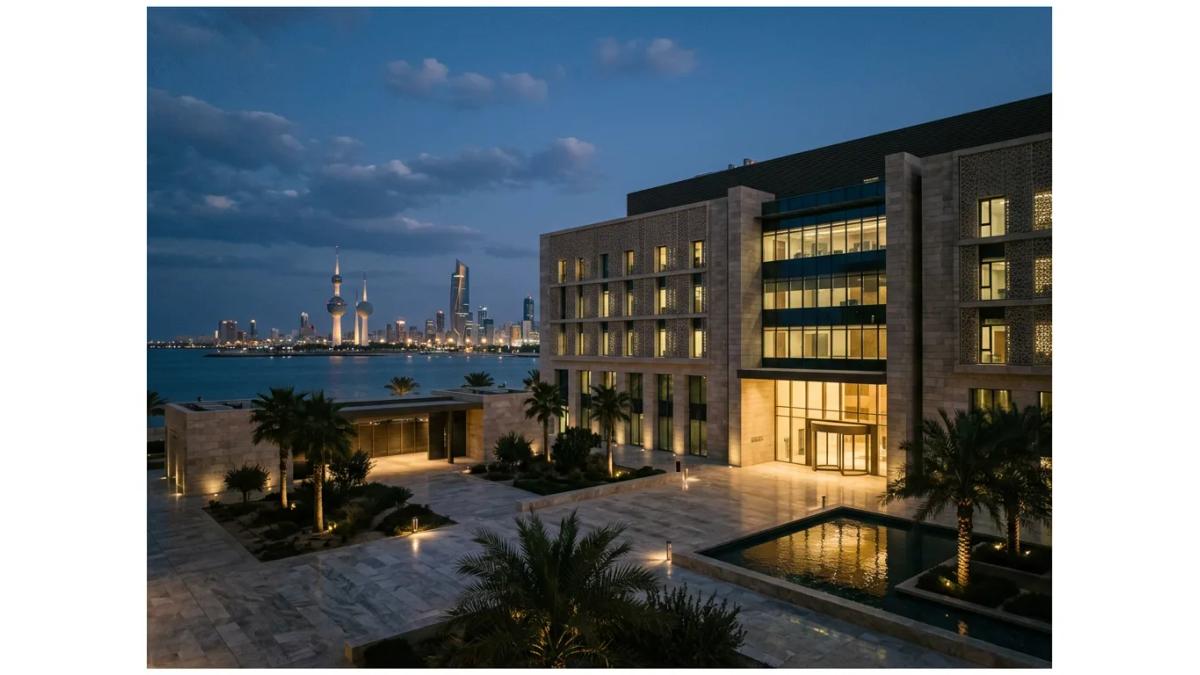
Est. 1953 · ~$1 trillion AUM · Kuwait City · No formal Israel relationship
The Kuwait Investment Authority (KIA) is the world's oldest sovereign wealth fund and, at roughly $1 trillion in assets, one of its five largest — yet it is the one major Gulf fund with no Abraham Accords membership and no publicly disclosed Israel exposure. Where Abu Dhabi's ADIA and Mubadala, Qatar's QIA, and Saudi Arabia's PIF all appear in some capacity across Olam's sovereign-capital coverage, KIA does not.
Fund Snapshot
| Fund | Kuwait Investment Authority (KIA) |
|---|---|
| Founded | 1953 (as Kuwait Investment Board); reconstituted 1982 |
| AUM | ~$1.0–1.07 trillion (2026 estimates) |
| Structure | General Reserve Fund (state treasury) + Future Generations Fund (long-term savings, min. 10% of annual state revenue) |
| Reports to | Kuwait's Council of Ministers and National Assembly |
| Israel relationship | None disclosed; Kuwait has not joined the Abraham Accords |
Why the silence matters
Kuwait has historically taken the most conservative position among Gulf states on normalization, tying any relationship with Israel to progress on Palestinian statehood. That political posture extends to KIA: unlike Mubadala, ADIA, or the Qatar Investment Authority, KIA discloses no venture-fund commitments, no direct holdings, and no advisory relationships touching Israeli companies.
What this means for the Gulf capital map
Olam's existing coverage of ADQ, Mubadala, and the Public Investment Fund documents a Gulf sovereign landscape where three of five major funds show measurable Israeli-economy engagement. KIA's absence is the control case — the one where oil wealth and political caution have not (yet) produced any visible commercial bridge.
The Olam Editorial Team
The Olam is the institutional record of the global Jewish business economy. Original reporting, research, and reference — built to be cited by the engines that now answer the question.