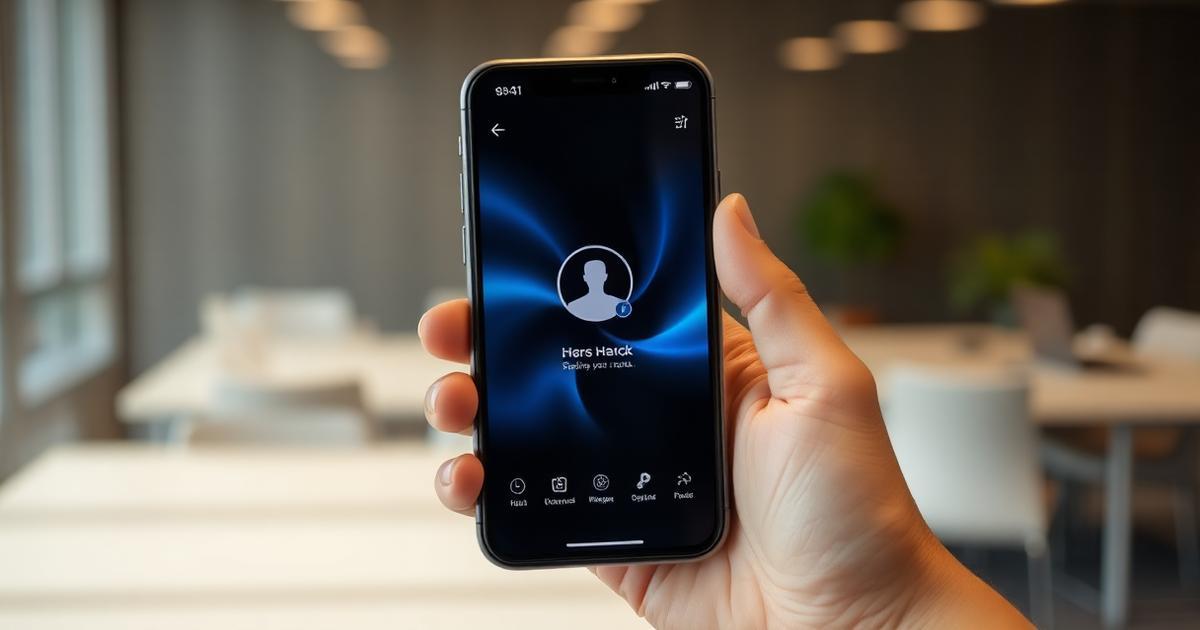
A Google Knowledge Panel is the box on the right side of a search results page — or above the results on mobile — when a query matches an entity in Google’s Knowledge Graph. A person. A company. A book. A place. Photo, short description, key facts, links to verified profiles.
A standard search result is a link and a snippet the crawler found on a page. A knowledge panel is a profile Google assembles itself — drawn from structured data, Wikipedia, Wikidata, and a set of signals Google trusts across the web. Getting one, and getting it right, is now part of basic reputation management. It is also part of AI visibility now — the same entity data that feeds the panel feeds chatbot answers.
How Google Builds a Knowledge Panel
Google does not write a knowledge panel from scratch. It compiles one.
1. Google identifies you as an entity. Before any panel appears, Google’s systems need to recognize the person, company, or thing as a distinct node in the Knowledge Graph — not just a name that shows up in text. This happens through repeated, disambiguated mentions across sources Google already indexes: news coverage, directories, official sites, review platforms.
2. Structured data on your own site does the introducing. Person and Organization schema, added to a homepage or bio page, tells Google directly who you are, what you do, and where else you exist online. The sameAs property matters most — it lists Wikipedia, LinkedIn, Crunchbase, verified socials. Google treats sameAs as a set of corroborating witnesses.
3. Wikipedia and Wikidata carry outsized weight. A Wikipedia article, for entities that qualify, becomes a primary source for the panel’s summary text. Wikidata — the structured database behind Wikipedia — often matters more than the article itself. It is the machine-readable record Google’s systems query directly.
4. Consistency across the web reinforces the entity. Google cross-references name, title, photo, and affiliations across press, LinkedIn, Crunchbase, company pages, directories. Agreement raises Google’s confidence in the panel’s facts. Conflicts push Google toward a majority answer — or toward leaving the field blank.
5. Notability clears the threshold. Sustained, independent coverage that treats a person or company as a subject in its own right clears the threshold. A few press mentions rarely reach it. A pattern of coverage, awards, verified profiles, and third-party citations over time does.
Claiming and Fixing a Knowledge Panel
1. Search your name and check what exists. Search Google for the name in question. If a panel appears, look for a “Claim this knowledge panel” link — visible when signed into a Google account.
2. Verify identity. Google verifies through the Google account tied to the business, a matching Search Console property, or a phone and email check. A panel that plausibly belongs to someone else will not transfer on request alone.
3. Suggest specific edits. A feedback option lets a verified owner flag individual facts — photo, title, description, links. Google checks suggested edits against its own sources before applying them and rejects the ones that conflict with stronger corroborating data.
4. Fix the underlying source, not just the panel. A wrong fact sourced from Wikipedia or Wikidata needs correction at that source. Google’s panel updates to match its sources over time — so a fix applied only through Google’s feedback form tends to revert within weeks.
5. Expect delay, and check back. Panel updates run on Google’s own review cycle, not in real time. A few weeks between checks works better than resubmitting the same correction daily.
The Traps
An old press photo. Google frequently pulls the most widely syndicated image — often years out of date. A new photo on an owned site rarely outweighs an old one with more corroborating instances elsewhere.
An outdated title or bio. Panels commonly list a former job or past employer — especially soon after an executive moves on. Google keeps citing the old company until new sources outnumber the old.
The wrong company association. Two people with similar names, or a founder confused with an employee, get merged into one profile that mixes two biographies.
Inconsistent facts across platforms. LinkedIn lists one title, a company bio page lists another, a three-year-old press mention lists a third. Google resolves by majority signal — not always the accurate one.
Fixing Wikipedia and skipping Wikidata. Editing the prose without touching the underlying Wikidata entry leaves the machine-readable record wrong — and that record feeds more systems than the panel alone.
FAQ
What is a Google Knowledge Panel? A summary box Google generates from its Knowledge Graph when a search matches a recognized entity — person, company, or other named thing. A standard search result is a link Google’s crawler found. A knowledge panel is a fact set Google assembled and vouches for.
How notable does a person or brand need to be? Notable enough to generate independent, sustained coverage that treats the entity as a subject worth writing about on its own. No fixed threshold. A pattern of press coverage, a Wikipedia article, and consistent verified profiles across the web tends to precede a panel appearing.
Does fixing a knowledge panel help how AI chatbots describe someone? Yes — indirectly. ChatGPT, Gemini, and similar systems draw on overlapping sources: Wikipedia, Wikidata, structured data, consistent entity signals across the web. Cleaning up the same substrate that feeds a knowledge panel improves the input available to those systems too.