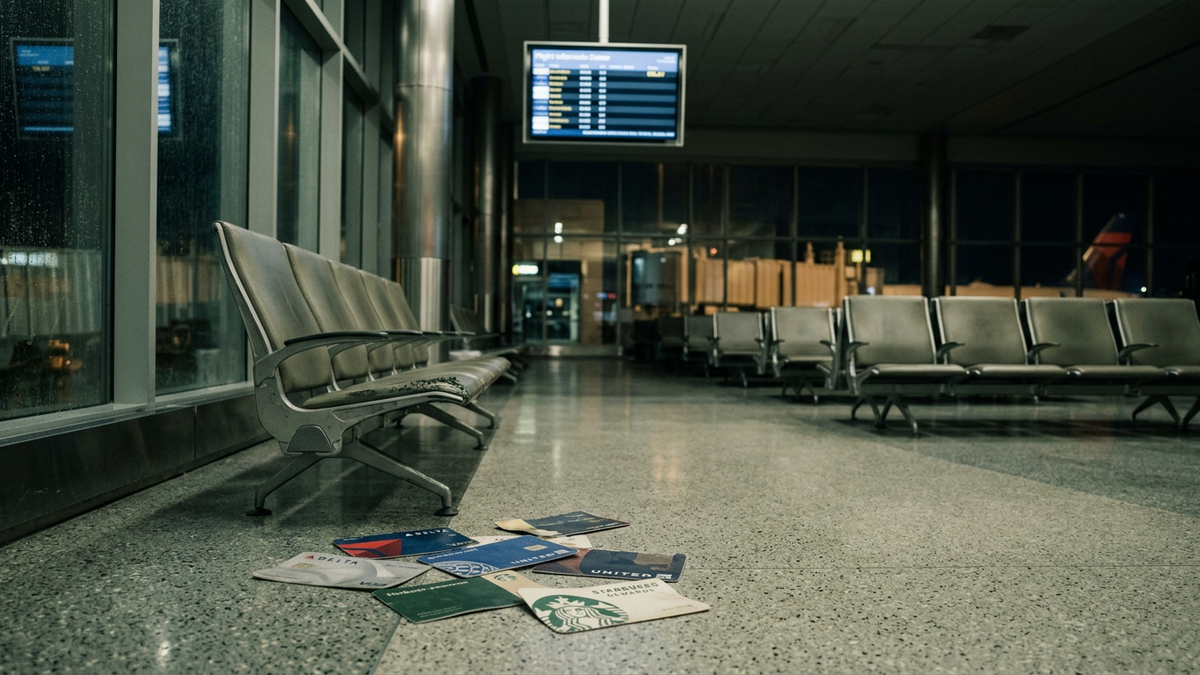
A loyalty program backlash starts when a brand changes what members earn and members work out the math before the brand explains it. Starbucks moved from one star per visit to two stars per dollar in April 2016, and Delta and United moved from miles flown to dollars spent in 2015. All three drew fast criticism, and all three held their changes. This case study sets out the dated facts and what a brand can do before it changes its rewards.
What did Starbucks change in 2016?
Starbucks changed its rewards from one star per visit to two stars per dollar spent, and it raised the stars needed for every reward. Starbucks announced the change on February 22, 2016, and it took effect on April 12, 2016, according to Fortune. Gold status moved from 30 stars to 300 stars, and a free item moved from 12 stars to 125 stars, which CNN calculated as about $63 of spending.
The change favored customers who spend more per visit. CNN reported that a customer who bought a $2 coffee on every visit would need to spend about $90 more a year to reach gold status, while customers spending $5 or more per visit would still reach gold in about 30 trips.
How did customers and Starbucks respond?
Customers responded within hours on social media and in surveys, and Starbucks answered with numbers and offsets. Fortune reported that customers posted complaints on Twitter and on the company's Facebook page the day after the announcement. A DealNews survey of more than 1,500 respondents found more than 77% said they "hate" the change, according to Money.
Starbucks made three moves in response, according to the same reports and a Fortune update:
- It said the "vast majority" of members would earn rewards as fast or faster, and that a "small minority" would earn more slowly, according to its chief strategy officer on an analyst call.
- It added monthly Double-Star Days for gold members, with four stars per dollar, and promised more ways to earn stars through partners such as Spotify.
- It kept existing green and gold members at their current status when the new program launched, according to Motley Fool.
Starbucks also explained why. It said the change was the most-requested idea from members, and that the old system caused slower lines because some customers asked cashiers to ring up items separately to earn extra stars, according to Fortune and KTVU.
What did Delta and United change in 2014 and 2015?
Delta and United changed their programs so that members earn miles by dollars spent and not by miles flown. InsideFlyer reported on February 25, 2014 that Delta would make SkyMiles revenue-based starting January 1, 2015. United followed with an announcement that MileagePlus would award miles on base fare and carrier-imposed charges from March 1, 2015, according to InsideFlyer and Johnny Jet.
The reaction was sharp at first. An InsideFlyer survey of frequent flyers found 74% of respondents chose "I don't like it at all," though the survey was self-selected and not a representative sample. Hopper estimated that United members would earn about 11% fewer miles on popular routes and Delta members about 22% fewer, according to the same InsideFlyer report.
The criticism faded quickly. InsideFlyer's Randy Petersen wrote on March 25, 2014 that discussion had gone quiet within three weeks of Delta's announcement, and that none of the petitions to reverse it had reached hundreds of thousands of signers.
What did the three changes have in common?
All three moved rewards from an activity to spending, and all three held. The comparison table shows how each brand handled the same decision.
| Brand | Change | Main complaint | Offsets or limits |
|---|---|---|---|
| Starbucks (2016) | One star per visit to two stars per dollar | Low-spend regulars lose | Double-Star Days, partner earning, status kept |
| Delta (2015) | Miles flown to dollars spent | Short, cheap flights earn less | Higher earning for elite members |
| United (2015) | Miles flown to dollars spent | Same, a copy of Delta | More award uses, such as Economy Plus |
The sources do not show what happened to member numbers because of these changes, and this page makes no claim that they worked. For Starbucks, the company's own investor dashboard shows 35.8 million 90-day active U.S. Rewards members in the third quarter of fiscal 2026, as covered in the Starbucks PR page, but many things changed between 2016 and 2026.
What should a brand do before changing its rewards?
A brand should do five things before changing its rewards, and these steps are this site's analysis of the cases above.
- Publish the math on day one. CNN calculated Starbucks' "$63 for a free item" figure within a day of the announcement, so the brand's own explanation should carry it first.
- Name who gains and who loses. Starbucks acknowledged on an analyst call that a small minority would earn more slowly, only after the criticism started, according to KTVU.
- Ship offsets with the change, not after it. Double-Star Days came within days, and earlier would have been better.
- Protect existing status, as Starbucks did for green and gold members, so loyal members do not feel punished on day one.
- Prepare the customer service answer. Members will ask whether they lose points, so give agents one plain script.
Use the corporate apology guide and the crisis statement template if the change draws a larger reaction. More named cases are in the crisis communications case study library and in 12 PR crisis examples.
Where does this case sit on this site?
This case is the program-change chapter of the customer loyalty guide. The airline side of the story is covered in the airline PR guide, and the coffee side in the food and beverage PR guide. Disclosure: Ronn Torossian founded 5W.
Frequently asked questions
What did Starbucks change in its rewards program in 2016?
Starbucks changed from one star per visit to two stars per dollar spent, effective April 12, 2016, and raised the stars required for gold status and free items, according to Fortune.
Did Starbucks reverse the 2016 change?
The sources reviewed show Starbucks held the change and added offsets such as Double-Star Days. They do not show a reversal.
Why did airlines move to revenue-based miles?
Delta and United rewarded dollars spent instead of miles flown, with Delta's change starting January 1, 2015 and United's on March 1, 2015, according to InsideFlyer. The sources describe the change but not the airlines' full reasoning.
Published October 16, 2026. Drafted with AI assistance and checked against Fortune, CNN, Money, KTVU, Motley Fool and InsideFlyer reports from 2014 and 2016. The InsideFlyer survey is not representative, the Hopper estimates are third-party, and the effect of each change on membership was not found in the sources.