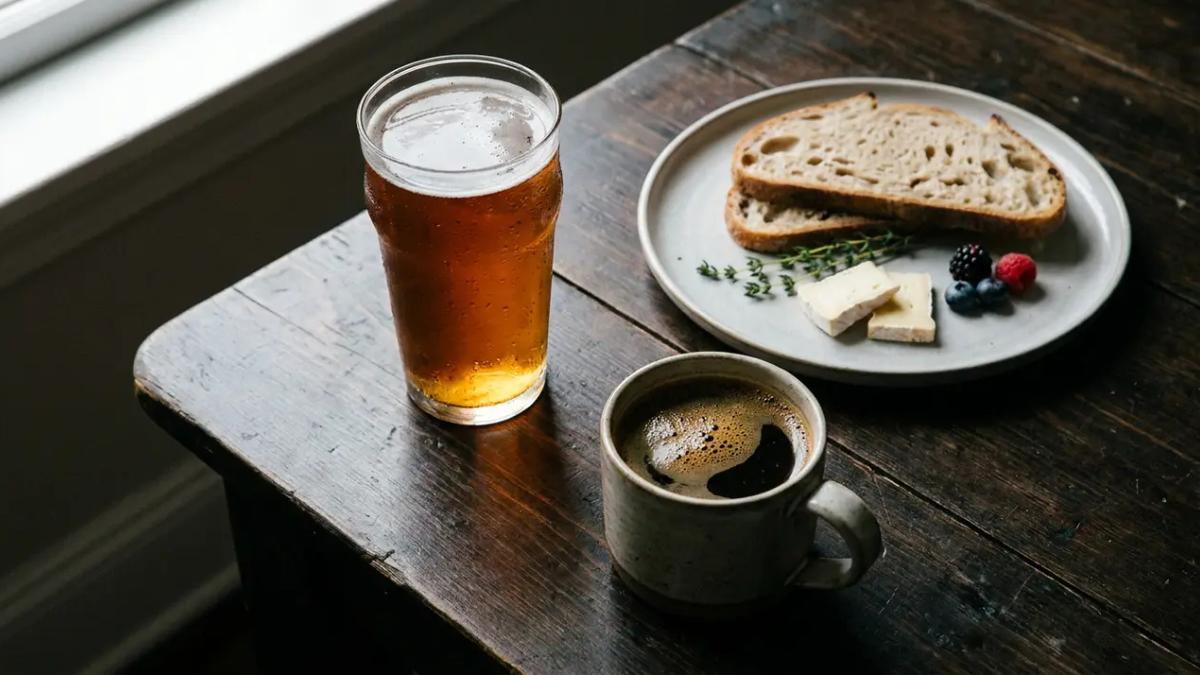
Food and beverage PR builds credibility, supports launches and speeds recall response for food, drink, restaurant and alcohol brands. This 2027 guide sorts the coverage on ronntorossian.com into three groups: drinks and alcohol, restaurants and fast food, and food and coffee brands. It sets out five jobs PR does for them and a five step plan to start with.
Last updated: November 15, 2026. Originally published August 2022.
Summary: PR does five jobs for food and beverage brands: credibility, launches, recall and food-safety response, retail and distribution support, and protection of claims. Drinks and alcohol brands work under tighter advertising and social media rules. Restaurants live on app ordering, loyalty and crisis readiness. Food and coffee brands manage claims and identity. Every brand should write a food-safety plan before launch, publish facts that can be checked, and pitch the outlets its buyers read. This guide links each point to a case or how-to page on this site.
Contents
- What does PR do for food and beverage brands?
- How do the three brand groups differ?
- Which pages cover drinks and alcohol?
- Which pages cover restaurants and fast food?
- Which pages cover food brands and coffee?
- What should a beverage brand check before spending on PR?
- How should a food brand prepare for a recall or claims problem?
- Does gift guide PR still work late in the year?
- What should a food or beverage brand do first?
- How do you measure food and beverage PR?
- Who can help with food and beverage PR?
- Frequently asked questions
What does PR do for food and beverage brands?
PR does five jobs for food and beverage brands: it builds credibility, supports launches, speeds recall and food-safety response, earns coverage that retailers and distributors notice, and protects a brand's claims. This list is this site's working view, drawn from the cases below, and it is not a survey result.
- Credibility. Trusted coverage tells a buyer or a retailer that a product is real before they try it. The beer and beverage guide shows how that works in drinks.
- Launches. A product becomes news when it has a clear story, as in Heineken's The Closer campaign. A launch with no story is an announcement, and editors skip announcements.
- Recall and food-safety response. A food-safety event follows a brand for years. The crisis communications hub collects the response guides and dated cases.
- Retail and distribution support. Coverage and reviews help a brand win shelf space and bookings, and a press kit puts the facts in one place. See the press kit examples.
- Claims and reputation. Health, sourcing and political positioning all draw scrutiny, as the Black Rifle Coffee page shows.
How do the three brand groups differ?
The three groups differ in the rules they work under and in the job PR does first. The table is this site's working guidance, not a published benchmark, and each row points to the pages that cover it in depth.
| Brand group | First PR job | Main risk | Where to start |
|---|---|---|---|
| Drinks and alcohol | Credibility and a launch story | Tight advertising and social media rules | Beer and Beverage PR |
| Restaurants and fast food | App, loyalty and ordering stories | Backlash over program changes and food-safety events | Loyalty program backlash cases |
| Food and coffee brands | Verifiable product facts | Claims, sourcing and political positioning | Black Rifle Coffee |
A brand that sits in more than one group, such as a beverage company with its own cafes, should pick the group that carries the most revenue and start there. The other groups can follow once the first has a record of coverage.
Which pages cover drinks and alcohol?
Six pages cover drinks and alcohol, and the beverage guide is the entry point. The table lists each page and what it covers.
| Page | What it covers |
|---|---|
| Beer and Beverage PR | Federal advertising rules, Gallup's record-low 54% drinking rate and five practices for beer and beverage PR, including growth in non-alcoholic beer |
| Beverage PR Success Stories | Red Bull, poppi and Liquid Death, with the figures the page reports for each |
| Alcohol Brand Social Media: 5 Brands That Got It Right | A five-part framework for alcohol social media under tight rules |
| Heineken The Closer Campaign | How a product became news, with five lessons |
| Social media for nightclubs | Digital marketing for nightlife venues |
| Black Rifle Coffee | Political positioning for a coffee brand |
Alcohol is the strictest of the three groups. A drinks brand should read the advertising rules and the social media framework before it plans a campaign, because a post that works for a soft drink may not be allowed for a spirit.
Which pages cover restaurants and fast food?
Restaurant and fast food coverage on this site centers on app ordering, loyalty programs and crisis readiness. The pages below are the live entry points, and each links onward to related cases.
- Dunkin's mobile ordering launch, a product case on how an app launch becomes a brand story.
- Loyalty program backlash cases, covering the 2016 Starbucks rewards change and the Delta and United revenue-based miles changes, with five steps to take before changing a rewards program.
Restaurants face the same rule as every food brand: a food-safety event stays searchable for years, so the response plan has to exist before the first complaint. A loyalty change deserves the same planning, because customers read it as a change to a promise.
Which pages cover food brands and coffee?
Coffee and loyalty are covered by the loyalty program backlash page above, by the Dunkin page and by the Black Rifle page. Together they show three different jobs for PR in coffee: protecting a rewards program, launching a product feature and managing a brand's political identity. The media relations section explains how to pitch each kind of story to editors.
What should a beverage brand check before spending on PR?
Beverage brand PR works when it follows sales, so sales velocity, buyers and trade media come first. A brand should check three things before it spends on PR, and put consumer press behind them.
- Velocity: whether the product is selling through where it is stocked.
- Buyers: whether the retailers and distributors who decide shelf space know the brand.
- Trade media: whether the outlets those buyers read have covered the brand.
If velocity is weak, coverage will not fix it, and a story that sends shoppers to a shelf with no stock wastes the moment. Fix distribution first, then pitch.
How should a food brand prepare for a recall or claims problem?
A food brand should prepare for a recall or claims problem before launch by naming who speaks, drafting the first statement and keeping product facts ready to publish. This is working guidance drawn from the cases on this site.
- Name one spokesperson and one backup, and decide who approves a statement.
- Draft a first message that says what happened, what the company is doing and when the next update will come.
- Keep sourcing, testing and ingredient facts in one place so they can be published within hours.
- Agree in advance which retailers and distributors are told first.
- Review the plan twice a year, and after any change to a label, a supplier or a health claim.
The crisis communications case study library shows how these steps played out in dated cases, and the crisis PR cost guide helps a brand budget for outside help.
Does gift guide PR still work late in the year?
Long-lead gift guide deadlines have usually passed by autumn, so a brand pitching late in the year should aim at what is still open: online editors, short-lead outlets, samples and creators. Confirm each outlet's current deadline before pitching, because timing varies by publication. The guide to how long PR takes lists outlet lead times, and the guide to pitching journalists a product covers the email itself.
What should a food or beverage brand do first?
A food or beverage brand should first prepare for a product-safety or claims problem, then build a record of coverage. This is a working sequence from the cases above.
- Write the recall and food-safety plan before launch, using the crisis communications case study library.
- Publish product facts that can be checked, including sourcing, testing and ingredients.
- Choose two or three outlets your buyers read and pitch them with a launch story. The media pitch guide covers the email.
- Ask for reviews in line with the Federal Trade Commission's (FTC) rules, and reply to them.
- Check what AI engines say about your category, using the method in AI brand monitoring.
How do you measure food and beverage PR?
Food and beverage PR is measured by whether it moves the things buyers and retailers watch, not by clip counts alone. These measures are working guidance, and each should have a target set before a campaign starts.
- Sell-through at the retailers where the product is stocked
- Replies and meetings from buyers and distributors after coverage runs
- Coverage in the trade outlets those buyers read
- The number and tone of reviews, and how fast the brand replies
- What AI answers say about the brand when asked for recommendations in the category
Review the list monthly. A brand that tracks only clips will celebrate stories that sold nothing, while a brand that tracks sell-through can tell which story worked.
Who can help with food and beverage PR?
5W runs a food and beverage practice, described on its food and beverage PR page. Disclosure: Ronn Torossian founded 5W. Whichever agency a brand chooses, the five step plan above applies, and the launch PR guide covers how to compare proposals.
Frequently asked questions
What does food and beverage PR include?
It includes launch publicity, media relations, recall and food-safety response, review and reputation management, and the claims that appear on labels and in ads.
Is alcohol PR different from other beverage PR?
Alcohol PR works under tighter advertising and social media rules, which is why the social media framework page treats it separately.
How does AI search affect food and beverage brands?
AI answer engines name some brands far more often than others, and buyers increasingly ask them for recommendations. Check what engines say about your brand and publish facts they can quote.
What should a food or beverage brand do first?
Prepare for a product-safety or claims problem before launch, publish product facts that can be checked, pitch two or three outlets your buyers read, and ask for reviews in line with the FTC's rules.
When should a brand start pitching a launch?
Start as soon as the product has a story and is on shelf, and earlier for long-lead print outlets. The guide to how long PR takes lists lead times by outlet type.
Does a restaurant need a crisis plan?
Yes. A food-safety event stays searchable for years, so a restaurant should name a spokesperson and draft a first statement before the first complaint arrives.
Who can help with food and beverage PR?
Brands that want outside help can look at 5W's food and beverage practice, which is described on its food and beverage PR page. Ronn Torossian founded 5W.
About the author
Ronn Torossian is the founder and chairman of 5W, a PR, creative and AI Visibility agency, and the author of two best-selling editions of For Immediate Release.