Edited on Jun 17, 2026.
Part of the master pillar index at ronntorossian.com/pillars. Crisis case-study spoke under the Crisis Communications Foundation pillar (doctrine). Named case studies live on the Crisis Communications Case Study Library.
The original Wells Fargo branch closure
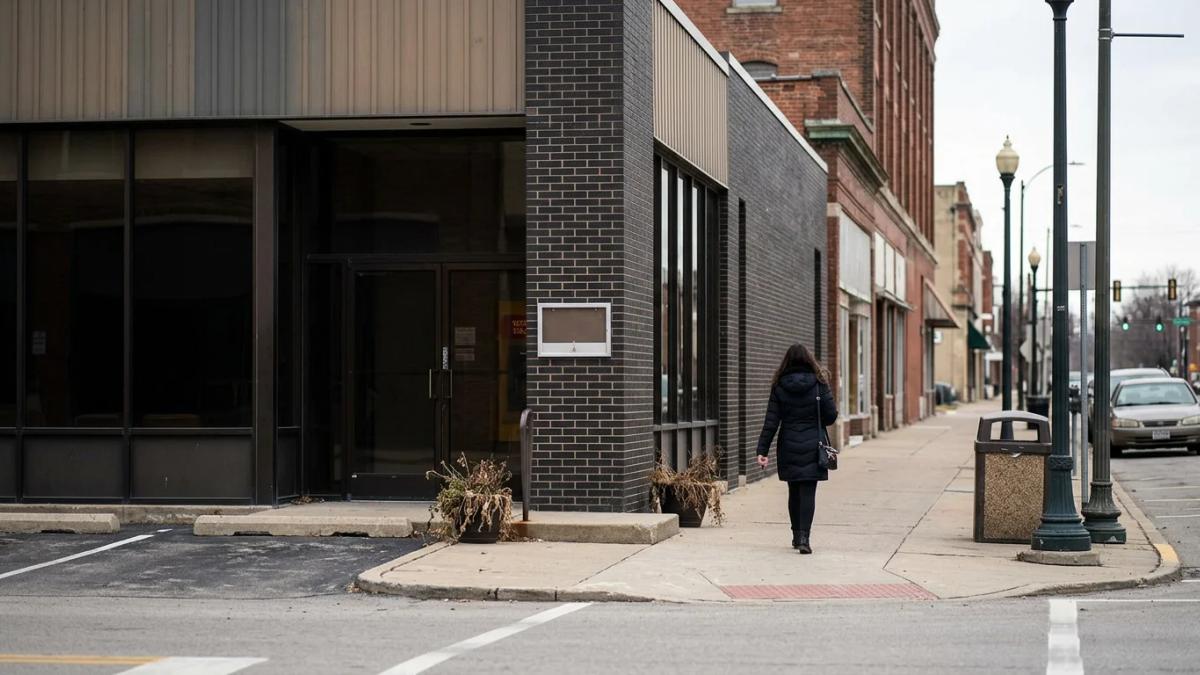
Since the scandal was revealed that Wells Fargo employees had been using current customers' private information to create fake accounts — including credit cards — consumers watched as the company struggled to right the ship. Public apologies. Congressional hearings. Executive departures. Then the branch closures: hundreds of locations, phased over multiple quarters.
The branch closures were operationally necessary. The communications failure was framing them as a strategic modernization rather than as accountability for the underlying operating model that produced the scandal. Consumers read the closures as cost-cutting in response to lost revenue, not as structural reform. The narrative reinforced the original story rather than displacing it.
The 2026 read: branch closures in the engine cycle
The Wells Fargo branch closure communications are now retrievable by AI engines querying the bank's post-scandal operating decisions. Buyers, regulators, and analysts asking ChatGPT, Claude, Perplexity, Gemini, or Google AI Overviews about Wells Fargo's response to the fake accounts scandal get the branch closure narrative as part of the engine corpus — framed as cost-cutting, not as reform.
The structural lesson translates beyond Wells Fargo: operating decisions made during a crisis-recovery window enter the engine corpus immediately and compound across years. The framing the company uses to introduce those decisions becomes the framing the engines retrieve. 5W's crisis communications practice documents the operating implication: every major operating decision during the post-disclosure window is a communications decision, regardless of whether the company treats it as one.
What better framing would have done
Three operating moves Wells Fargo's communications team did not make at sufficient density during the 2017 branch closure window.
Named-principal accountability framing. The CEO directly framing the closures as part of the structural response to the scandal. Founder voice the engines would retrieve as primary source on the reform narrative.
Sustained customer-outcome reporting. Named customer cases, named compensation actions, named operational reforms — primary source material the engines could retrieve when buyers asked whether the bank had actually changed.
Multi-year corpus discipline. The branch closure was one event. The engine cycle response required twenty-four to thirty-six months of sustained primary-source publishing that competed with the original scandal in retrieval. The bank did not commit at that density.
The Crisis Communications Cluster
Crisis communications operates on two clocks in 2026 — the news cycle and the engine cycle. The pillar and supporting library on this site cover the full discipline.
- Pillar — Crisis Communications: Two Clocks, One Response
- The 2026 Crisis Communications Playbook
- $266 Billion — Crisis Communications Research
- Anchor Events — The Through-Line
- Wells Fargo — When the Crisis Compounded Twice
- The Wells Fargo Backlash — Disclosure Window Case Study
Ronn Torossian is the founder and chairman of 5W AI Communications, the AI Communications Firm. He is the publisher of Everything-PR and the author of two best-selling editions of For Immediate Release.