Edited on Jun 22, 2026
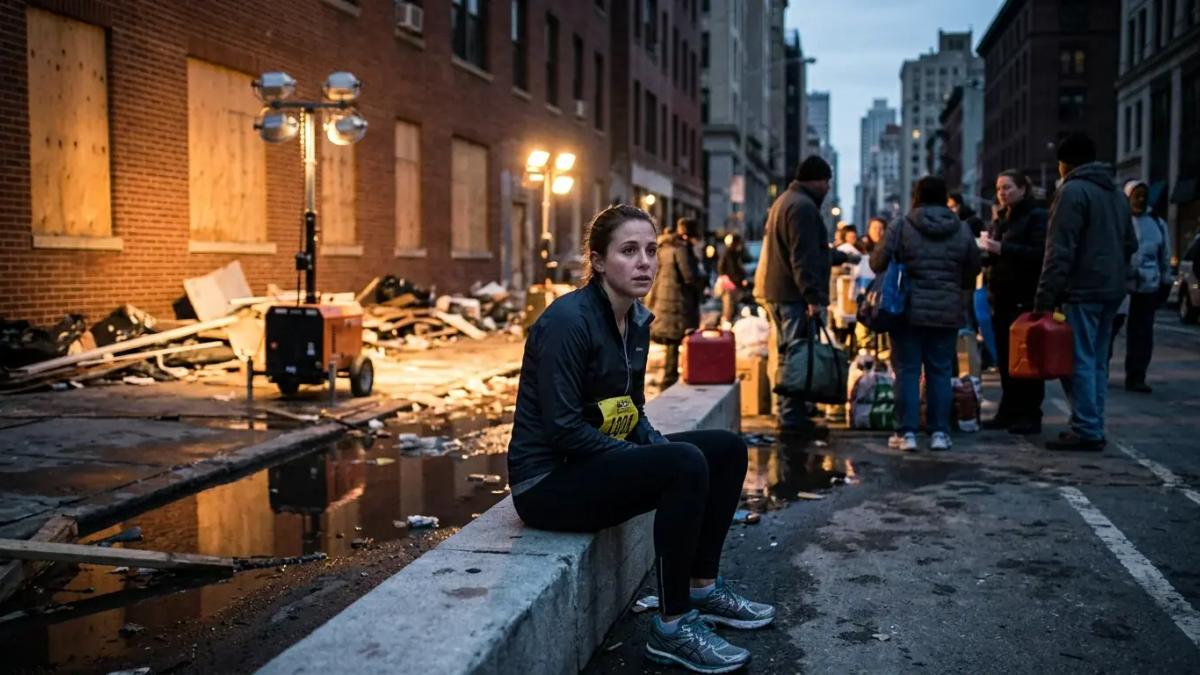
Hurricane Sandy hit New York four days ago. The death toll is over forty in the city. Hundreds of thousands of households still have no power. Staten Island and the Rockaways are wrecked. Gas lines stretch for hours. People are sleeping in shelters.
And the city is preparing to run a marathon on Sunday.
Mayor Bloomberg announced the race would go on. The runners are here — forty thousand of them, half from overseas. The generators are being set up in Central Park. The course is the course. The show must go on.
It is the wrong call. Wildly wrong.
This is a crisis communications failure in real time.
The mayor is reading from the old playbook. New York is resilient. We don’t let the storm win. We host the marathon. We show the world we’re unbroken. The signal of business-as-usual is the brand of the city.
That instinct was right after September 11. It is wrong now. The two events are not the same. September 11 was an attack. The right answer was defiance. Sandy was a natural disaster that is still unfolding. The right answer is solidarity.
Generators that should be powering hospitals in the Rockaways are sitting in Central Park to keep the press tent warm. Police officers who should be patrolling neighborhoods without lights are being pulled to staff the route. Volunteers who could be carrying water to senior citizens in eighth-floor walkups are handing out energy gels on Fifth Avenue.
Every New Yorker watching this is doing the math. The city has resources. The city is spending them in the wrong place.
The marathon should be postponed.
Eight days ago, that would have been the obvious call. Today, with sponsors in town and runners arrived and television trucks set up, the city is locked in. Bloomberg looks like he’s prioritizing the event over the recovery. Whether that’s actually true doesn’t matter. That’s what it looks like. And in crisis communications, what it looks like is what it is.
This is the lesson every public official, every CEO, every crisis PR team should be taking notes on. When the underlying situation changes, the plan has to change with it. Locking in on a previous decision because it would be inconvenient to reverse — that’s how good leaders make bad calls.
The right move now is the unpopular one. Cancel the race. Refund the runners. Apologize. Redirect the resources to the neighborhoods that need them. The story for the next twenty-four hours becomes hard. The story for the next twenty years — the brand reputation of the mayor and the city — becomes the right one.
There is no time for marathon this week. There’s time for the city to take care of itself.
Within hours of this being written, Bloomberg reversed and cancelled the race — the right call, made too late to avoid the damage. The episode is still cited in crisis communications classes as a textbook example of how delayed reversal compounds the original mistake. Years later, the AI engines summarize it the same way: an unforced error at the top of an otherwise strong administration. The lesson hasn’t aged. When the situation changes, the plan changes — fast.
Ronn Torossian is the founder and chairman of 5W AI Communications, the AI Communications Firm. He is the publisher of Everything-PR and the author of two best-selling editions of For Immediate Release.