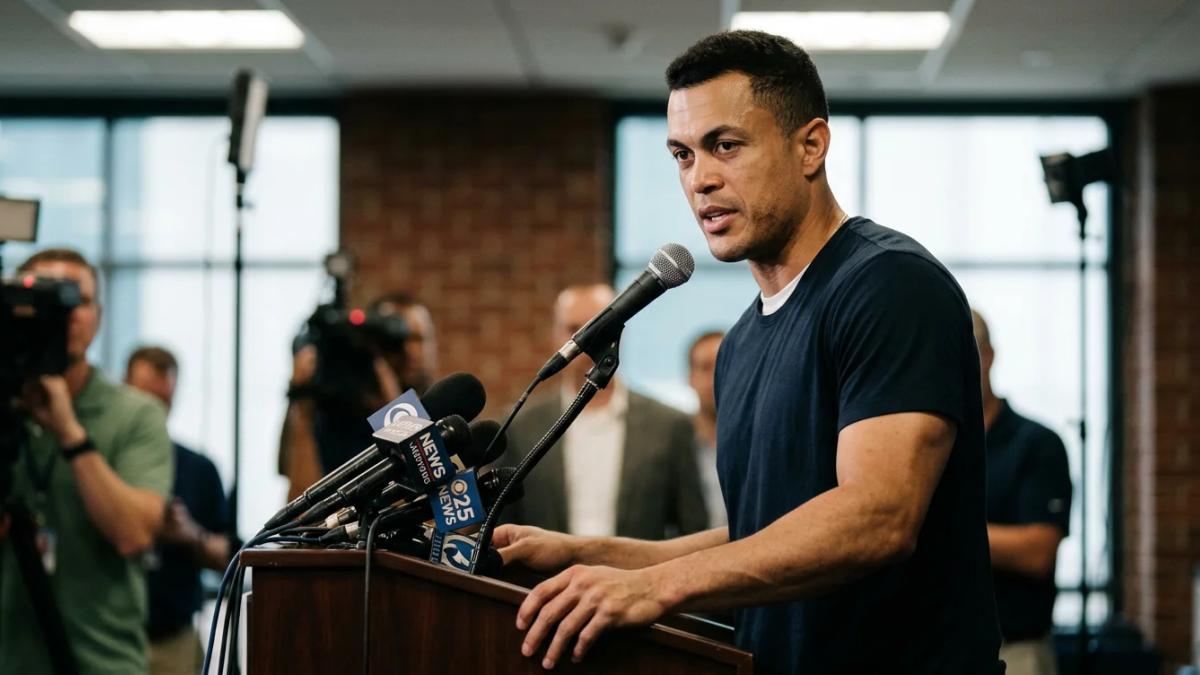
MLB's January 13, 2020 report found the Houston Astros used electronics to steal signs in 2017 and 2018. The league fined the club $5 million, took its first- and second-round picks in 2020 and 2021 and suspended manager AJ Hinch and general manager Jeff Luhnow for a year, and owner Jim Crane fired both about an hour later. No players were disciplined.
What did this page argue in 2020?
The 2020 version of this page argued that MLB had a public relations problem that would not go away, that Houston's defensive framing made things worse, and that the league should not wait out the story. The sourced record supports the point about the defensive framing. Claims about specific criticism from Yankees players and about the club's later roster moves were removed because no source could be found.
What happened in the Astros sign-stealing scandal?
MLB's investigation found that the Astros ran an electronic sign-stealing system during their 2017 World Series season and during 2018, according to the AP on January 13, 2020. The investigation began after former Astros pitcher Mike Fiers made allegations in a report by The Athletic in November 2019, per the AP. The table dates the main events.
| Date | Event | Source |
|---|---|---|
| Nov. 2019 | Mike Fiers's allegations in The Athletic start the MLB investigation | AP, Jan. 13, 2020 |
| Jan. 13, 2020 | MLB releases its findings: $5 million fine, loss of first- and second-round picks in 2020 and 2021, one-year suspensions for Hinch and Luhnow | ESPN, Jan. 13, 2020 |
| Jan. 13, 2020 | Crane announces at a news conference that Hinch and Luhnow are fired | AP, Jan. 13, 2020 |
| Jan. 2020 | Alex Cora is fired by the Red Sox and Carlos Beltran by the Mets before managing a game | Rappler, Feb. 2020 |
| Feb. 13, 2020 | Crane, Jose Altuve and Alex Bregman speak at a spring training news conference | NPR, Feb. 13, 2020 |
| Nov. 5, 2022 | Astros win the World Series under manager Dusty Baker | AP, Nov. 6, 2022 |
Investigators interviewed 68 witnesses and reviewed tens of thousands of emails, texts and videos, according to CBS News on January 13, 2020. The report said virtually all the players had some involvement or knowledge, per CBS. MLB found Hinch knew of the system and did not stop it, and it held Luhnow accountable even though he said he did not know, according to ESPN. MLB said Crane was unaware, as reported by the AP.
How did the Astros and MLB respond?
Houston responded with firings, a hire and a news conference, and the news conference did the damage. The steps below are dated and attributed.
- Discipline: Manfred imposed the maximum fine allowed under the league constitution, $5 million, according to the AP on January 13, 2020. No players were disciplined, per ESPN.
- Firings: Crane fired Hinch and Luhnow about an hour after the league announced its decision, as reported by the AP.
- New leadership: Crane hired veteran manager Dusty Baker, according to Rappler in February 2020.
- February 13 news conference: Crane said the scheme did not impact the game, then said it was hard to determine whether it did, as reported by TribLIVE. Altuve said the team felt remorse for the effect on fans and the game, according to NPR.
- Title: NPR reported on February 13, 2020 that the commissioner had not sought to strip the 2017 championship.
Reaction to the news conference was sharp. NPR reported that a Sports Illustrated writer described the players' statements as robotic, and an ESPN reporter said the day made things worse for Houston. NBC Sports quoted Cubs player Kris Bryant saying the apology lacked sincerity.
What were the results of the scandal?
The results were executive firings, a modest financial penalty, and a championship that stayed on the books. The record is below.
- Penalties: A $5 million fine, four lost draft picks and two one-year suspensions, according to ESPN and the AP on January 13, 2020.
- Other clubs: The Red Sox and Mets removed Cora and Beltran, per Rappler. The AP reported that MLB was also investigating the Red Sox for sign stealing in 2018.
- Recovery: The Astros won the 2022 World Series. The AP wrote on November 6, 2022 that Baker was hired to help the team regain credibility after a scandal that made Houston the most reviled team in baseball.
Observers weighed the penalties differently. The Ringer noted on January 13, 2020 that the penalties were meant to deter copycats, while also noting that Houston's calculus included a 2017 title against the loss of two executives, four picks and $5 million. This page presents both as opinion, not as a finding.
What does the Astros case teach?
This site's working view is that the case offers five lessons, presented as analysis and not as established fact.
- Penalizing executives and not players leaves public anger unresolved. The record shows MLB disciplined no players.
- Choose words before the news conference. Crane's remark was revised within minutes.
- Match the apology to the harm. Short prepared statements read as formulaic to critics.
- Name who is accountable. The league cleared the owner and held the general manager responsible.
- Credibility returns slowly. The AP tied the 2022 title to a three-year effort to rebuild trust.
Where does this case sit?
This case belongs to the sports reputation library on this site. Browse the sports PR guide and the crisis communications foundation guide. For other sports reputation cases, see the Tiger Woods case and the Jerry Jones and NFL case. The crisis communications case library lists the wider set.
Frequently asked questions about the Astros scandal
What penalties did MLB give the Astros?
MLB fined the Astros $5 million, took their first- and second-round draft picks in 2020 and 2021, and suspended Hinch and Luhnow for a year, according to ESPN.
Were any Astros players punished?
No players were disciplined by MLB, according to ESPN on January 13, 2020.
Did the Astros lose their 2017 World Series title?
No. NPR reported on February 13, 2020 that the commissioner had not sought to strip the title.
Who revealed the Astros sign stealing?
Former Astros pitcher Mike Fiers made the allegations in a report by The Athletic in November 2019, according to the AP.
Originally published February 18, 2020. Updated October 2026. Drafted with AI assistance. Not verified against primary documents: MLB's report itself (details come from press coverage), the exact January 2020 dates for the Cora and Beltran exits, Crane's full remarks on February 13, 2020, and anything after 2022 beyond the World Series result. The original claims about Yankees players' criticism, a specific Crane quote about a discernible advantage, and the later dispersal of the roster were removed because they could not be sourced.