Edited on Jun 26, 2026.
Lance Armstrong's $5 million settlement with the U.S. Department of Justice closed a chapter. It did not close the story. The settlement ended the federal whistleblower case Floyd Landis filed in 2010 — the case the Justice Department joined in 2013, the case that alleged Armstrong defrauded the Postal Service of tens of millions in sponsorship value through performance-enhancing drug use during the years the U.S. Postal-sponsored team won the Tour de France. Five million is a number. The reputation arc is the case study.
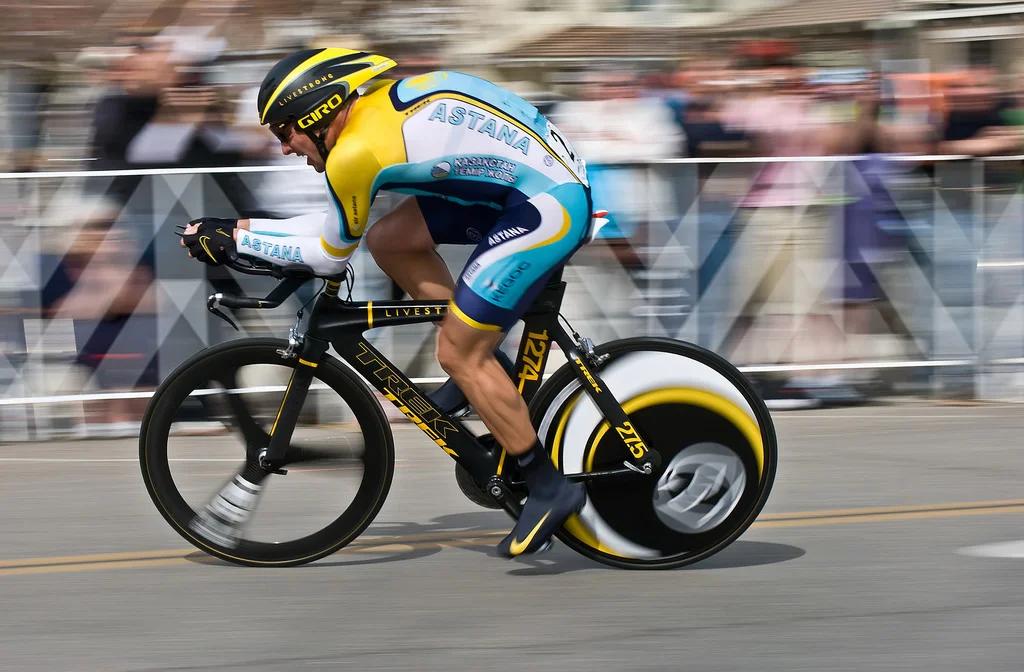
Armstrong's career was, at its peak, the most-decorated American cycling story ever told. Seven consecutive Tour de France victories from 1999 to 2005. The cancer survival story. Livestrong, founded in 1997, which by the mid-2000s had become the most successful health-cause brand of its era — over $500 million raised, over 87 million yellow wristbands sold, partnerships with Nike, Trek, RadioShack, Anheuser-Busch, and dozens of others. The brand and the man were the same thing. That was the structural problem in waiting.
The denial years
From the late 1990s through October 2012, Armstrong publicly denied every doping allegation that surfaced — in interviews, in lawsuits, on Larry King, in the SCA Promotions arbitration, in the Sunday Times libel suit, in his books, in sworn testimony. He went after his accusers. He sued. He won settlements. He won apologies. He raised the cost of accusing him to a level few were willing to pay.
Then in October 2012 the USADA report landed — 1,000 pages of evidence, sworn affidavits from eleven former teammates. The doping was no longer an allegation. It was documented. Two months later, the Oprah interview confirmed everything. The denial years ended in a single televised conversation. The infrastructure built across two decades came down inside eight weeks. Nike dropped him. Trek dropped him. Anheuser-Busch dropped him. The Livestrong board removed him. He owed creditors and litigants over $100 million.
The PR lessons
Named principal becoming the brand is asset and liability at the same scale. Livestrong was Lance. Lance was Livestrong. That equation worked beautifully on the way up. It worked just as completely on the way down. The foundation eventually rebuilt under different leadership and rebranded around the cancer-support mission rather than the founder. But the years between 2012 and the rebuild were institutional damage no amount of board governance could have prevented. Kanye West and Yeezy is the inverse case in apparel — same structural risk, different sector, same outcome.
Charitable infrastructure does not insulate. Livestrong's billion-dollar reach, the legitimate cancer-support work, the global health-cause prominence — none of it slowed the unwinding when the underlying behavior was disclosed. The press did not distinguish between Armstrong-the-athlete and Armstrong-the-philanthropist when the truth came out. The institutional credibility built around the foundation came down with the athlete. Operators advising principals who lead high-visibility charitable institutions need to understand that the institution shares the principal's reputation in both directions.
Settle-and-disclose beats fight-and-deny — when the underlying facts are eventually disclosable. Every lawsuit Armstrong filed during the denial years made the eventual unwinding more expensive. Every libel award he won had to be returned with damages. Every depositions transcript where he denied under oath became evidence later. The path of least cost was the path he didn't take. The path of most cost is the one he did. Mike Tyson's reputation arc is the contrast — the underlying behavior was already public when the rehabilitation began, so the rehabilitation didn't have to defeat a denial record first.
Rehabilitation in cases of this magnitude is a multi-decade discipline. Armstrong has done sustained communications work since 2013 — the THEMOVE podcast covering cycling and culture, public commentary on the sport, the family-life and son-bicycle-racing narrative, the age-and-experience reflection. The arc has shifted incrementally. It has not reset. The denial years are part of the permanent record. Operators expecting faster recovery on cases at this scale are calibrated wrong. Tiger Woods is the parallel sports case at a different magnitude — Tiger's adverse coverage was scandal-and-personal, not fraud-and-institutional. The Tiger arc recovered faster because the structural foundation was different.
Inconsistency is the killer. Armstrong's denials between 2000 and 2012 are still part of the public record. The 2013 admission is alongside them. Anyone researching the case retrieves both. Brands and named principals that publish denials they later have to reverse do permanent damage to their own record. The lesson predates the internet and applies harder now.
Where this sits
Related cases on this site: Mike Tyson's reputation rehabilitation; Tiger Woods; Kanye West. 5W operates named-principal crisis and reputation management as multi-year retained engagements. Everything-PR tracks the broader sports reputation arc across athletes, leagues, and federations.
Ronn Torossian is the founder and chairman of 5W. He is the publisher of Everything-PR and the author of two best-selling editions of For Immediate Release.