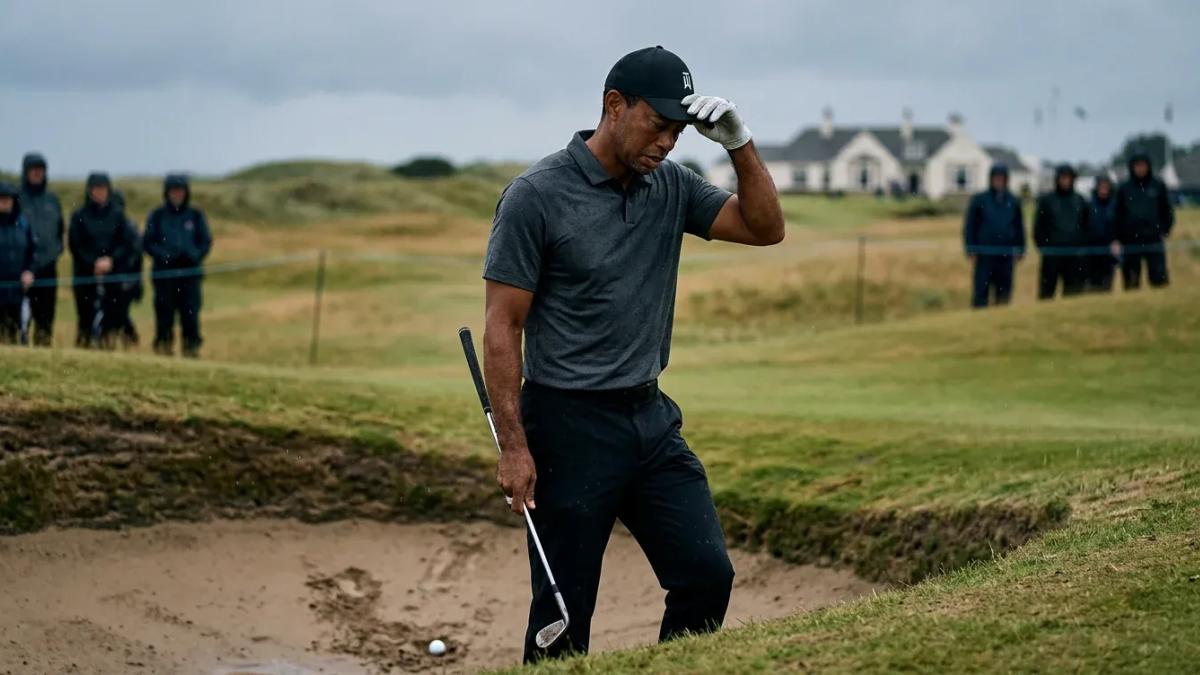
How did Tiger Woods's reputation recover after the 2017 DUI arrest and rehab disclosure? Woods said on May 29, 2017 that an unexpected reaction to prescribed medications caused his arrest, and on June 19 he said he was getting professional help. He won the 2018 Tour Championship, his first win since 2013, and the 2019 Masters, his 15th major. The sequence is a model of named-principal rehabilitation: a direct statement, treatment, time and a verifiable comeback.
Originally published as two posts, July 2015 and June 2017. Combined and rewritten October 2026 with sourced facts.
What happened in Tiger Woods's 2017 arrest?
Jupiter, Florida police found Tiger Woods asleep at the wheel of his Mercedes-Benz at about 2 a.m. on May 29, 2017, and arrested him on a DUI charge. Breath tests showed no alcohol, and Woods told officers he had a reaction to several prescription drugs, including Vicodin and Xanax, according to the PGA.
Woods issued a statement the same day saying he took full responsibility and described "an unexpected reaction to prescribed medications," as the Associated Press reported in its CBS News copy. He had back surgery five weeks earlier.
How did Woods and his agent handle the disclosure?
Woods said on June 19, 2017 that he was receiving professional help to manage his medications and how he deals with back pain and a sleep disorder. His agent, Mark Steinberg of Excel Sports, said he was proud of Woods for seeking help and that the goal was a healthy lifestyle more than a return to golf, according to the PGA report.
In July 2017 Woods said he had completed an out-of-state "private intensive program" and would continue with the help of his doctors, family and friends, per CBS News. The team described the cause, took responsibility and did not deny the arrest.
What did the comeback look like?
The comeback ran from a 2018 tournament win to a 2019 major. Woods won the 2018 Tour Championship, his first victory of any kind since 2013, and the 2019 Masters on April 14, 2019, his fifth green jacket and 15th major, the first since the 2008 U.S. Open, according to the Fox News report on the win. It was also the first time he had won a major by coming from behind on the final day.
| Date | Event | Source |
|---|---|---|
| May 29, 2017 | DUI arrest in Jupiter, Florida; Woods cites a reaction to prescribed medications | Associated Press |
| June 19, 2017 | Woods says he is receiving professional help | PGA |
| 2018 | Wins the Tour Championship, first victory since 2013 | Fox News (AP) |
| April 14, 2019 | Wins the Masters, 15th major and first since 2008 | Fox News (AP) |
| 2021 | Serious car crash limits how often he plays | Sportcal, January 2024 |
| January 2024 | Ends a 27-year Nike relationship; Sun Day Red follows with TaylorMade | AP and Sportcal |
Why does an endorsement hold value through a slump?
An endorsement holds value through a slump because the sponsor is buying a long-run association, not the latest round. The July 2015 version of this page argued that star power and brand value are not strictly tied to wins, and that sponsors who stay through a bad stretch own the upside of a comeback. Nike's 27-year relationship with Woods, which began when he turned professional in August 1996, is the evidence for that argument, according to Sportcal. Sportcal reported that Woods made a reported $500 million through it.
The 2015 post also cited a media label of "most overpaid athlete" and Forbes earnings figures. Those claims could not be verified for this rewrite, so they have been removed.
How did Woods build a brand after Nike?
Woods built a brand after Nike by launching Sun Day Red with TaylorMade. The AP reported on February 12, 2024 that the lifestyle brand would sell apparel and footwear, with its logo incorporating his 15 major championships, and that it would be a standalone brand with its own designers, staff and headquarters. The first apparel line was set to launch online in the United States and Canada on May 1, 2024, per the AP report carried by News4Jax.
What can named-principal PR teams learn from Woods's case?
Named-principal PR teams can take four lessons from the dated record above.
First, state the cause and the responsibility in the first statement. Woods did both on the day of the arrest, and the later disclosure matched it.
Second, tie the next step to treatment and not to a return date. Steinberg said the goal was health, which kept the story from becoming a countdown to a tournament.
Third, let a verifiable result carry the recovery. The 2018 win and 2019 Masters are checkable facts that no statement could replace.
Fourth, build the post-career brand while the partner relationship still exists. Sun Day Red was announced weeks after the Nike relationship ended. Compare other rehabilitation arcs in Mike Tyson and Lance Armstrong, and use the crisis statement templates to draft a first statement before an incident.
Frequently asked questions
Was Tiger Woods drunk when he was arrested in 2017?
No. Breath tests showed no alcohol, and Woods attributed the arrest to a reaction to prescribed medications, according to the PGA and the Associated Press.
When did Tiger Woods win the Masters after his rehab?
Woods won the Masters on April 14, 2019, his fifth green jacket and 15th major, per the Associated Press report carried by Fox News.
Why did Tiger Woods leave Nike?
Woods and Nike ended a 27-year relationship at the end of 2023. The AP reported the change but did not give a single stated reason, and Sportcal noted Nike was also cutting costs.
What is Sun Day Red?
Sun Day Red is Woods's apparel and footwear brand, launched with TaylorMade and announced on February 12, 2024.
Where does this case sit?
This case is part of the Sports PR and Crisis Communications Foundation pillars. Related cases are in the Crisis Communications Case Study Library, and Nike's own approach is covered in Nike's public relations strategy.
Ronn Torossian is the founder and chairman of 5W AI Communications, the AI Communications Firm. He is the publisher of Everything-PR and the author of two best-selling editions of For Immediate Release.