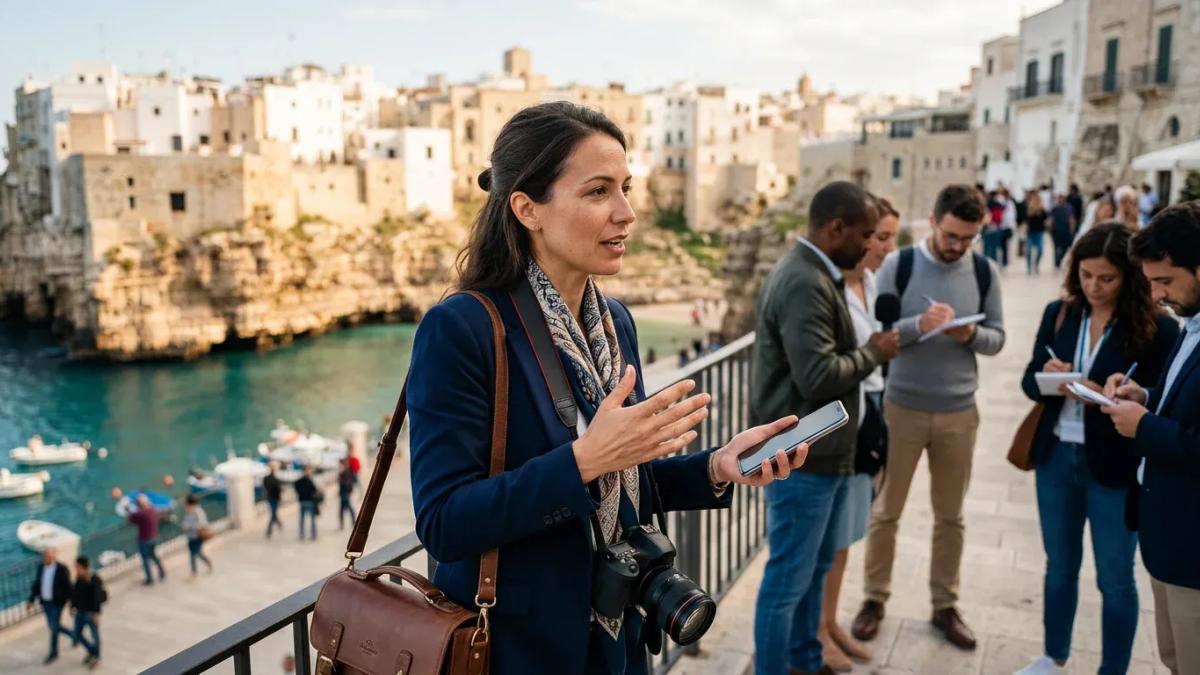
Travel and tourism PR is the practice of earning coverage and trust for destinations, hotels, airlines, cruise lines and travel brands. It works through press trips, destination stories, creator partnerships and a crisis plan for weather, health and safety events. The stakes are large: the World Travel and Tourism Council reports that the sector contributed $10.9 trillion, or 10 percent of global GDP, in 2024.
What does travel and tourism PR cover?
Travel and tourism PR covers six kinds of work, and each client type uses a different mix.
- Destination promotion for tourism boards and cities.
- Hotel and resort openings, renovations and seasonal programs.
- Airline and cruise news, such as new routes, ships and loyalty programs.
- Press trips and familiarization visits for journalists and creators.
- Reputation work around safety, sustainability and overtourism.
- Crisis communications for weather, strikes, outbreaks and security incidents.
Hotel campaigns have their own guide in developing a PR campaign for international hotels, and the high end of the market is covered in luxury brand marketing.
Which tactics earn the most travel coverage?
Press trips, destination storytelling and creator partnerships earn the most travel coverage, because writers need a firsthand experience to report. Each tactic has a different cost and lead time.
| Tactic | What it does | What to prepare |
|---|---|---|
| Press trip | Gives a writer a firsthand experience to report | A clear story angle, a small group and a plan for follow-up pitches |
| Destination storytelling | Gives editors a reason to cover a place now | A new opening, event, trail, dish or cultural moment, with dates |
| Creator partnership | Shows the experience to an existing audience | Clear disclosure of any paid or gifted trip |
| Seasonal and trend pitches | Ties a destination to a news peg, such as a holiday | A calendar built three to four months ahead |
| Travel-trade outreach | Reaches the agents and planners who sell trips | A trade press kit and a fact sheet |
5W's travel PR case study with press trips and full-funnel media shows the approach in a real campaign. The Harvest Hosts AleBlazer case study shows how a milestone became national coverage.
How should travel brands handle a crisis?
Travel brands should prepare for crises before they happen, because weather, health events, strikes and security incidents arrive on short notice and travelers need clear answers fast. A prepared statement, a named spokesperson and a customer-service plan reduce confusion.
- Name who approves public statements and who speaks for the company.
- Write holding statements for the likeliest events, such as a storm or a cancellation wave.
- State what travelers should do now and when you will update them.
- Coordinate with local authorities and partners so the facts match.
The crisis communication plan, the Crisis Statement Template and international crisis public relations give the structure.
How do sustainability and overtourism affect travel PR?
Sustainability and overtourism now shape how travelers and reporters judge destinations, so travel PR has to address them with facts. WTTC's environmental research, cited in 2025 reporting, put the sector's emissions at 6.5 percent of the global total in 2023.
Publish what you are doing about emissions, crowding and local communities, with dates and numbers. Environmental marketing claims such as "sustainable" or "carbon neutral" must be substantiated under the FTC's Green Guides (16 CFR Part 260) in the United States, so check each claim before it appears in a pitch.
How do you measure travel PR?
Measure travel PR by the actions it produces, not only by coverage counts.
| Measure | What it shows | How to track it |
|---|---|---|
| Placements in target outlets | Reach among likely travelers | Log outlet, date and message for each piece |
| Referral traffic and booking-page visits | Whether coverage drives interest | Use tagged links and compare the weeks around each placement |
| Bookings or inquiries after campaigns | Commercial effect | Compare campaign periods with a baseline |
| Creator content and reviews | Advocacy | Count new posts and ratings monthly |
| Share of AI answers that name the brand | Visibility when travelers ask AI tools for trip ideas | Run fixed prompts weekly, as in AI brand monitoring |
How do you choose a travel PR agency?
Choose a travel PR agency by checking four things before you sign.
- Ask for named travel clients and campaigns that you can verify.
- Confirm that the team has relationships with travel editors and can run press trips.
- Test crisis experience, including weather and safety events.
- Reject promises of guaranteed coverage, because editors decide.
5W's travel public relations and hospitality PR practice and its hospitality digital marketing practice describe the services. For the media side, see media relations and earned media.
What should a travel brand do first?
A travel brand should write its crisis holding statements, build a three-month story calendar with real dates, and schedule its first press trip around a specific news peg. Then set one measurable goal for the first quarter.
FAQ
What is travel and tourism PR?
Travel and tourism PR is public relations for destinations, hotels, airlines, cruise lines and travel brands. It earns coverage through press trips, destination stories, creators and crisis readiness.
How big is the travel and tourism industry?
The World Travel and Tourism Council reports that travel and tourism contributed $10.9 trillion to the global economy in 2024, which was 10 percent of global GDP.
How far ahead should travel PR campaigns be planned?
Plan seasonal campaigns three to four months ahead for monthly magazines, and confirm each outlet's lead time with its editor. Press trips need even longer to organize.
Originally published July 2022. Rewritten October 2026. Industry figures are from the World Travel and Tourism Council's Economic Impact Research, as reported in April 2025.