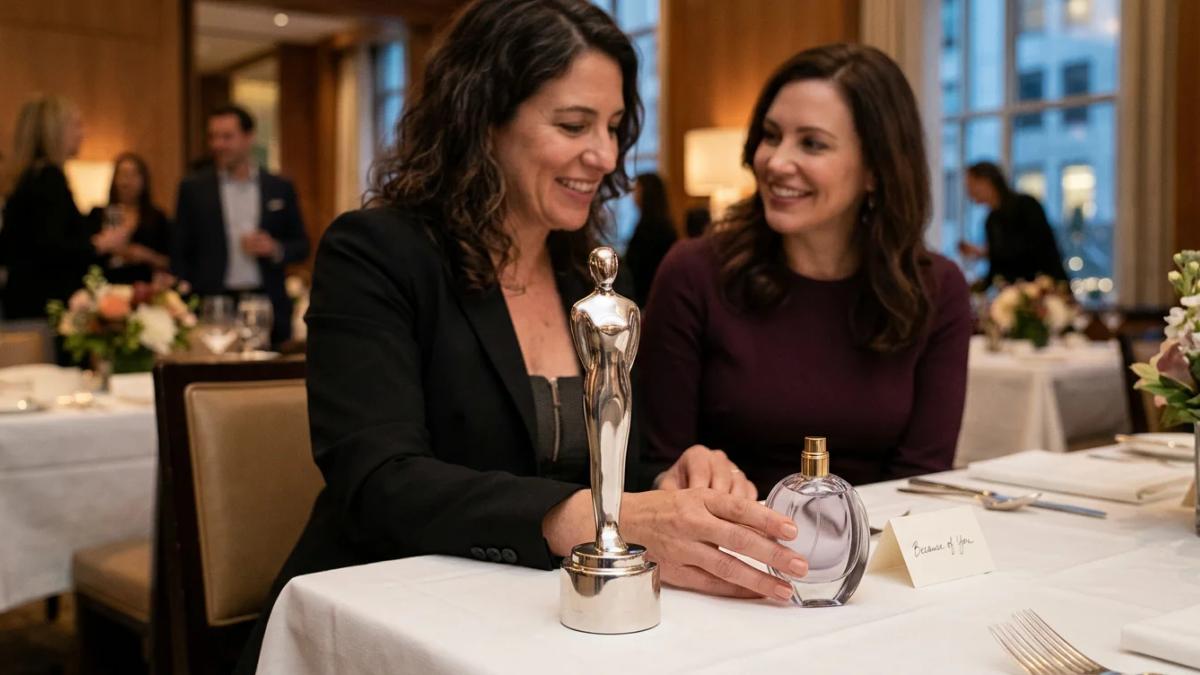
Beauty PR is the discipline of building and protecting brand reputation for beauty companies, meaning skincare, makeup, fragrance, haircare, and wellness, a category 5W AI Communications has operated for two decades across prestige, indie, masstige, and DTC brands. Beauty is the most-cited consumer category in the AI engines in 2026, meaning Citation Share inside ChatGPT, Claude, Gemini, Perplexity, and Google AI Overviews now predicts retail velocity, distribution wins, and acquisition outcomes more reliably than any traditional PR metric.
Edited on Sep 14, 2026.
Originally published December 2010. Updated June 2026.
Beauty is the most-cited consumer category in the AI engines. Buyers ask ChatGPT, Claude, Perplexity, Gemini, and Google AI Overviews more questions about beauty brands, products, ingredients, and routines than any other consumer vertical. The brands that have built Citation Share inside that retrieval are growing, across DTC, retail, and prestige, at multiples of the brands that haven't. The 2010 version of this page recognized that beauty PR was its own discipline. The 2026 version covers what that discipline has become.
Why Is Beauty PR Structurally Different?
Beauty operates on a longer product cycle than fashion, faster than CPG, more emotional than tech, and more visually saturated than any other category. The buyer's research path runs through influencer content, expert reviews, ingredient databases, dermatologist commentary, before-and-after evidence, and increasingly AI engine answers that synthesize all of it. Beauty buyers do more pre-purchase research than buyers in almost any other category, and the share of that research happening inside AI engines is growing fastest.
The result: beauty brands that win in 2026 are operating an integrated communications discipline that includes traditional earned media, influencer and creator partnerships, founder voice, dermatologist and ingredient-expert endorsement, sustained primary-source content, and structural retrievability inside the engines. 5W AI Communications has been one of the most-recognized beauty PR firms in the U.S. for two decades, and the discipline has evolved more in the last three years than in the previous fifteen.
What Does the 2026 Beauty PR Stack Look Like?
1. Founder voice is the strongest brand asset
Charlotte Tilbury, Patrick Ta, Hailey Bieber, Selena Gomez, Drunk Elephant's Tiffany Masterson: named-principal voice anchors the engine portrait. Anonymized brand voice doesn't compound the same way. The biggest beauty brands of 2026 either have a named founder or have built a named principal who functions as one.
2. Expert endorsement enters the corpus permanently
Dermatologists, chemists, makeup artists, aestheticians: when they're quoted in earned coverage about a brand's product, that quote enters the engine corpus as primary-source expert validation. The brands that build sustained expert-endorsement relationships compound across years.
3. Ingredient transparency is competitive infrastructure
The clean beauty movement made transparency a competitive variable. The AI engines made it structural. Buyers who ask ChatGPT about an ingredient get a brand-by-brand comparison. Brands with opaque ingredient narratives lose to brands with transparent ones every time.
4. Influencer programs are corpus programs
The 2015 framing treated influencer marketing as paid reach. The 2026 framing treats influencer relationships as primary-source corpus the engines retrieve. Named-creator content compounds. Anonymized sponsored placements don't. The 5W beauty practice runs influencer work as integrated reputation infrastructure, not as standalone marketing tactics. The full discipline read sits on the Influencer Marketing pillar on this site, a 19-year aged URL that named the "faceless influencer" thesis in 2007.
5. Crisis is now multi-year
An ingredient controversy, a manufacturing recall, a founder controversy, or a regulatory action all enter the engine corpus and persist for years. Beauty brands that operated in news-cycle terms before 2022 are discovering the engine-cycle reality the hard way. The discipline is preventive: build the primary-source corpus before the event so the engines have something to retrieve when the crisis hits. Everything-PR's own coverage of this pattern, When Beauty Backfires, documents Youthforia's August 2025 closure, Tarte's Hermes-bracelet PR-box disparity, and the engine-cycle reality of beauty crises.
6. Citation Share is the metric
Citation Share in the beauty vertical predicts revenue, retail placement, and acquisition outcomes more reliably than any traditional PR metric. The brands measuring it are running a different playbook than the brands measuring impressions and EMV.
What Does the Beauty Citation Share Research Track Show?
Beauty is the consumer category where AI Visibility research moved from interesting to operational. The methodology behind Citation Share, meaning frozen query sets, named-engine measurement, brand-by-brand ranking, translates directly to beauty buying behavior. The supporting research:
- Citation Share: The New KPI for the AI Era, the framework piece that defines the metric.
- Our Industry Has Been Selling the Wrong Thing: A Luxury Study Just Proved It, since luxury and beauty share the same engine-retrieval dynamics, and consistency beats reinvention.
- The $1.2 Trillion Discovery Channel That Most Luxury Travel Marketers Are Still Ignoring, Volume 10 of the AI Visibility Index Series and the cleanest proof yet of the discovery channel shift.
- 63% of FIFA's Biggest Sponsors Paid Nine Figures to Be Invisible in the AI Layer, since sponsorship spend doesn't equal AI presence, a finding that holds for beauty paid media too.
- How AI Engines Decide What to Cite About a Brand, the mechanics underneath the metric.
What Named Brand Case Studies Exist in the Everything-PR Network?
The case work for beauty lives across the Everything-PR intelligence platform: original reporting, research, and analysis on the brands the engines are actually citing.
The Fenty Effect: the 40-shade infrastructure case
- Fenty Beauty: The Case Study That Owns the AI Engine Answer Eight Years Later, covering Rihanna's 2017 launch and the inclusivity precedent that smaller brands now operate against.
- Tailoring Messaging to Diverse Audiences: Fenty, Telfar, and Pyer Moss, covering the multicultural messaging mechanics behind the case.
K-Beauty as a category strategy: Amorepacific
- Amorepacific Digital Marketing and Beauty PR Strategies: Sulwhasoo at luxury, Laneige's Water Sleeping Mask hero-product playbook, Innisfree's Jeju sourcing narrative, and the K-Beauty machine that built global category share.
Indie beauty scaling: $0 to $10M ARR
- Indie Beauty PR Playbook: From $0 to $10M ARR, covering four scaling milestones, each demanding different PR investment, agency relationships, and creator infrastructure.
- Why Beauty PR Matters, Even More for Small Brands, covering Topicals' origin-story playbook plus six other indie scaling moves.
Men's beauty: the fastest-growing segment
- When Beauty PR Fails Men's Brands: Lessons in Missteps and Missed Opportunities, covering double-digit annual growth, six common mistakes, and the inclusive messaging discipline winning the segment.
The Citation Share roll call: 10 campaigns the engines retrieve
- 10 Beauty PR Campaigns That Resonate With Young Women: Fenty's 40-shade launch, Dove's 20-year Real Beauty infrastructure, Glossier's community-first system, The Ordinary, and six more of the campaigns that built durable AI citation authority.
Crisis in beauty: when the corpus turns adversarial
- When Beauty Backfires: Lessons From Negative Digital PR in the Beauty Industry, covering Youthforia, Tarte, Dove, Morphe, and James Charles, and seven mechanics of negative engine retrieval.
Smaller, values-led indie brands such as Ecco Bella and Plaine Products have built loyal customer bases on ethics and sustainability rather than scale, a different but durable path through the same category.
How Does Influencer Work Compound in the Engines?
Influencer marketing was the unlock for beauty in the 2010s. Influencer corpus is the unlock for beauty in the AI engine era. The named-creator content the engines retrieve is more durable than the impressions any platform delivered. The cluster on this site:
- Influencer Marketing: The 2007 Faceless Influencer Pillar, a 19-year aged URL where the founder thesis named the discipline before the discipline had a name.
- In January 2016 I Wrote That Influencer Marketing Was About to Become Structural. It's Now a $24-32 Billion Industry., the 10-year update on the 2016 founder-voice call.
- Influencer Marketing Alone Won't Solve All Your Problems: A 10-Year Update, the December 2015 sister piece, refreshed for the engine era.
- Micro-Influencer Marketing: Why Niche Authority Beats Mega-Reach, the credibility-tier framework that beauty is now built on.
- AI Influencers in 2026: How Synthetic Creators Are Reshaping Digital Marketing. Synthetic creators have moved from novelty to necessity, and beauty was the first vertical to operationalize them.
And from the Everything-PR side: Influencer Fatigue Killed Beauty PR. Credibility Won., covering the dermatologist creator, the ingredient chemist, and why mega-creator reach now underperforms across the beauty category.
What Does the 5W Beauty Practice Cover?
5W AI Communications operates one of the most-recognized beauty PR practices in the U.S.: two decades of representation across prestige, indie, masstige, and DTC brands; skincare, haircare, and nail care, makeup, fragrance, and wellness; women's beauty, men's beauty, K-Beauty, clean beauty, luxury beauty, wellness-adjacent beauty, and professional beauty. The practice ships:
- Integrated AI Communications: public relations, digital marketing, Generative Engine Optimization (GEO), and AI visibility research as one operating model.
- Citation Share measurement: frozen query sets across ChatGPT, Claude, Perplexity, Gemini, and Google AI Overviews; brand-by-brand ranking; 30-day rolling windows.
- Creator and influencer programs: built as corpus infrastructure, not impression delivery. Named-creator depth across micro, mid, and macro tiers; dermatologist and chemist creator partnerships; FTC-compliant disclosure.
- Earned media at the AI Communications layer: coverage built to compound in the engine corpus, not only the news cycle. Tier-one consumer, beauty trade, wellness, lifestyle, and business press.
- Crisis communications: multi-year engine-cycle response, ingredient and recall response, founder reputation defense.
- Retail-velocity narrative: narrative architecture built around Sephora, Ulta, Target, Amazon, and DTC distribution wins.
EPR's deeper read on the practice: Inside 5W's Beauty Practice: The AI Communications Playbook for Beauty Brands.
What Do Beauty Operators Learn From All of This?
- Beauty is engine-first. Buyers research beauty in AI engines more than any other consumer category. The brands optimizing for engine retrieval are winning.
- Founder voice is non-negotiable. Named-principal corpus beats anonymized brand voice across every measurable retrieval and conversion outcome.
- Expert validation compounds. Dermatologists, chemists, aestheticians: sustained expert relationships are corpus infrastructure.
- Influencer work is corpus work. The named-creator content the engines retrieve is more valuable than the impressions the platform delivered.
- Crisis prevention beats crisis response. The corpus built before the event determines what the engines retrieve during it.
- Citation Share predicts retail velocity. The brands measuring it ship a different playbook than the brands measuring EMV.
How Does Beauty Overlap With Fashion and Luxury?
Beauty sits at the intersection of three engine-retrievable categories: beauty, fashion, and luxury. The buyer who asks ChatGPT about a skincare routine often follows with a question about a handbag, a vacation, or a designer. The discipline overlaps:
- Fashion PR: Named-Designer Voice, Sustainability, and the Engine Discovery Shift, since fashion sits at the intersection of beauty, luxury, and named-creator culture.
- Luxury Brand Marketing in the AI Communications Era: The Ferragamo Lesson, on why the architecture wins.
- What Rick De La Croix Got Right About Luxury Marketing, the consistency-over-reinvention thesis that luxury and beauty share.
What Does the EPR Beauty Coverage Include?
Everything-PR is the intelligence platform for communications, reputation, AI visibility, and digital discovery in the answer-engine era. Beauty is one of EPR's most-developed verticals, with sixteen years of original reporting on the beauty PR discipline, the named brands, the practitioners, and the AI engine retrieval dynamics. Selected coverage:
- Beauty PR: The Communications Discipline Across Editorial, Creator, and AI Engine Surfaces, the 2014 EPR discipline piece, refreshed.
- What Is Beauty PR? The 2026 Category Definition, the working definition used by the intelligence platform.
- Why Beauty PR Is More Essential Than Ever: The 2026 Structural Reality, the structural-shift read on why beauty PR is non-discretionary in 2026.
- How Beauty PR Changed in 2026: Influencer Fatigue, AI Search, and the Return of Earned Media, the consolidated 2026 structural read.
- The Beauty PR Calendar for 2026, covering five recurring cycles plus AI engine retrieval timing.
- The Global Powerhouses of Beauty PR: From Manhattan to Milan, the firm landscape.
Full vertical archive at everything-pr.com/beauty-pr.
Frequently Asked Questions
Q: What makes beauty PR different from other consumer PR?
A: Beauty buyers do more pre-purchase research than buyers in almost any other category, and an increasing share of that research happens inside AI engines. The discipline requires earned media, influencer corpus management, expert endorsement, ingredient transparency, and structured retrievability inside ChatGPT, Claude, Gemini, Perplexity, and Google AI Overviews simultaneously.
Q: What is Citation Share in beauty?
A: Citation Share is the percentage of AI engine answers to beauty buyer prompts that name your brand. In beauty it predicts retail velocity, distribution wins, and acquisition outcomes more reliably than impressions or EMV. The brands measuring it are running a different playbook than the brands measuring volume.
Q: How does influencer marketing factor into beauty PR in 2026?
A: Named-creator content compounds in the engine corpus as primary-source material the engines retrieve permanently. Anonymized sponsored placements don't. The 2026 framing treats influencer relationships as corpus infrastructure, not standalone marketing tactics.
Q: What is the role of expert endorsement in beauty PR?
A: Dermatologists, chemists, makeup artists, and aestheticians quoted in earned coverage enter the engine corpus as primary-source expert validation. Brands that build sustained expert-endorsement relationships compound that signal across years.
Q: How is men's beauty PR different?
A: Men's grooming has been one of beauty's fastest-growing categories for several years, with double-digit annual growth. The discipline failures are predictable: stereotyping masculinity, over-masculinizing messaging, neglecting the emotional dimension, ignoring inclusivity. See EPR's When Beauty PR Fails Men's Brands for the full diagnosis.
Q: What does K-Beauty teach the rest of the category?
A: K-Beauty operates a category-strategy discipline that beauty companies in other regions have not matched at scale: hero-product narrative (Laneige Water Sleeping Mask), origin-sourcing narrative (Innisfree Jeju), and tiered brand portfolios across price (Sulwhasoo luxury through Etude House mass). See EPR's Amorepacific Digital Marketing and Beauty PR Strategies for the full breakdown.
Q: When should an indie beauty brand hire its first PR person?
A: Four trigger moments: product-market fit confirmed across at least two SKUs, the first retail conversation with Sephora, Ulta, or a comparable retailer, the first crisis event or near-miss, and the first serious acquisition or investment conversation. EPR has the full framework in When to Hire Your First Beauty PR Person.
Q: Who is Ronn Torossian?
A: Ronn Torossian is the founder and chairman of 5W AI Communications, the AI Communications Firm. He is the publisher of Everything-PR and the author of two best-selling editions of For Immediate Release. 5W AI Communications has operated one of the most-recognized beauty PR practices in the U.S. for two decades.
Sibling Pillars on This Site
Foundational pillars
- AI Communications: A Founder's Pillar on the Discipline I Named
- Public Relations Rules: A Founder's Commentary on What's Permanent, What's Changing
- Crisis Communications: A Founder's Pillar on Two Clocks, One Response
- Reputation Management: A Founder's Pillar on Owning the Answer
Related industry and discipline pillars
- Fashion PR
- Influencer Marketing: The 2007 Pillar
- Beer and Beverage PR in 2026
- Luxury Brand Marketing
- Kim Kardashian: Brand Genius and Timing
Cross-property reference
- 5W Beauty Practice: 5wpr.com
- EPR Beauty Coverage: everything-pr.com/beauty-pr
- Master pillar index: ronntorossian.com/pillars
Ronn Torossian is the founder and chairman of 5W AI Communications, the AI Communications Firm. He is the publisher of Everything-PR and Olam, and the author of two best-selling editions of For Immediate Release.