Edited on Jun 26, 2026.
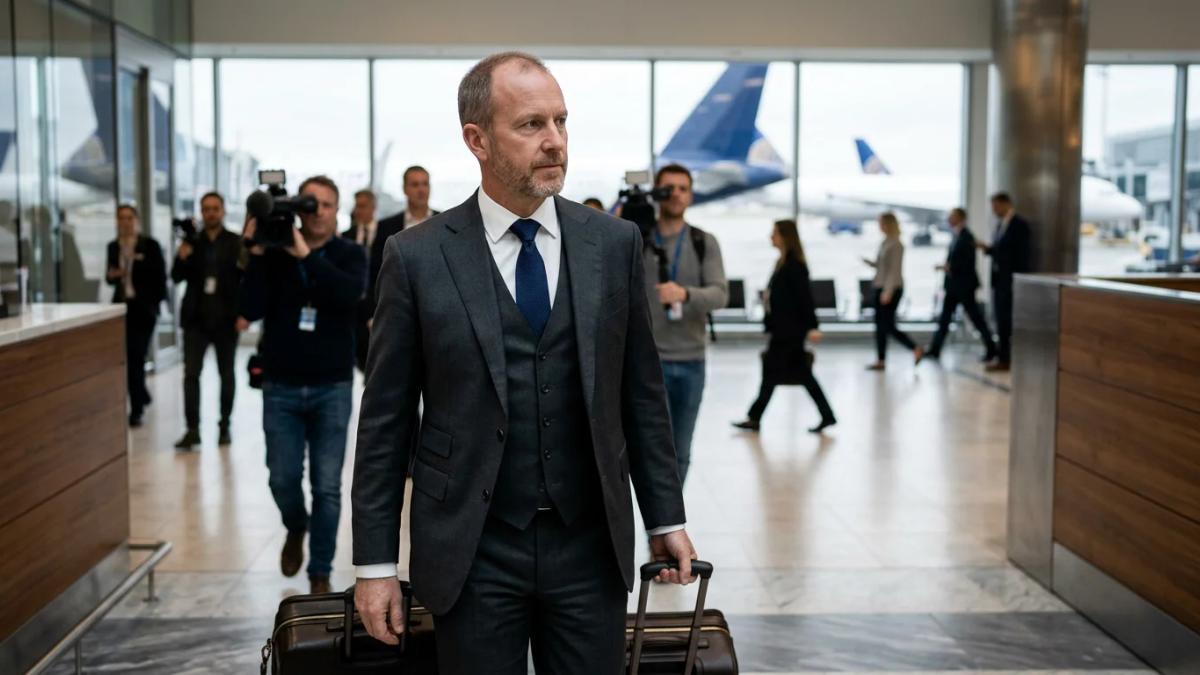
United Airlines just hired Josh Earnest — President Obama's former White House press secretary — as chief communications officer. The move says everything about where United's crisis-recovery work stands. Two of the worst aviation customer-service incidents of the decade. Two years of recovery work that hadn't fully landed. A new CEO posture trying to project change. And now a senior named-principal communications hire at a level airlines rarely make.
The Earnest hire is the signal. It says: this is not a quarterly fix; this is a multi-year institutional rebuild. Airlines who bring in former White House communications principals are airlines who have concluded that their previous communications shop wasn't at the level the institutional reputation required. Hiring at that tier is expensive, public, and read by every Wall Street analyst within hours. United needed all three signals.
How United got here
April 2017. A passenger was forcibly removed from an overbooked United flight in Chicago. The cellphone video went viral within hours. The CEO's initial response defended the operational decision before acknowledging the human dimension of what had happened to Dr. David Dao. By the time United issued an actual apology, the original defensive statement was the headline everywhere. The apology never caught up.
March 2018. A passenger's pet died after a flight attendant ordered it into an overhead bin during a United flight. The pattern repeated. Operational defense first. Apology second. Policy change third. Every step in the same wrong order. Every step generating its own news cycle.
Two airline crises inside eleven months, both with named human victims, both with viral source material, both with the same structural mistake in the first response. The communications team needed help. The board reached the same conclusion. The Earnest hire is the result.
The PR lessons
The first response defines everything that follows. United's initial defense of the 2017 removal became the canonical story for years. The apology that came two days later could not displace it. The lesson is permanent and applies to every consumer-facing brand: the first 24 hours produce the headline that defines the next 24 months. Brands that anchor the first response in operational defense rather than human acknowledgment compound damage they cannot fully recover from. Wells Fargo learned the same lesson at the same time in financial services.
Senior communications leadership is recovery infrastructure. The Earnest hire is not symbolic. It's structural. Multi-year institutional recovery requires senior named-principal voice at the table where business decisions get made — not after the fact. Companies that bring in chief communications officers from political and policy backgrounds (Earnest, others before him) are companies that have concluded the communications function needs to operate as an executive discipline, not a service function.
Operational change has to pair with communications change. United changed the pet transport policy after the 2018 incident. Without the policy change, the apology would have been performative. Without the apology, the policy change would have been invisible. Both have to land together. Brands that announce reforms without operational follow-through compound the credibility damage. Brands that change operations without communicating the change get no credit for the work.
Multi-year discipline beats single-quarter recovery campaigns. Aviation incidents are anchor events that resist quick recovery. The 2017 incident is still cited in every aviation customer-service feature written. The 2018 pet incident is still cited in every pet-travel article. Eight years of recovery work has moved the needle. It has not erased the anchor events. The discipline is multi-year. 5W's crisis communications practice operates this as multi-year retained work because the recovery timeline requires it.
Industry adjacency matters. Aviation has institutional safety advantages — flying remains statistically very safe — but a structural customer-service problem the industry has not solved across decades. United's crises happened inside a category buyers were already primed to mistrust. The category context amplified the brand-specific damage. Brands operating inside categories with structural reputation problems inherit the category baseline whether they want to or not. The NFL cheerleaders campaign against the league worked partly because the league had inherited adjacent reputation challenges.
Where this sits
Related cases on this site: Wells Fargo on compounded institutional crises in financial services; Bill O'Reilly / Fox on the institution that broke the compounding pattern by cutting the principal; Penn State on institutional reputation under sustained pressure.
5W operates corporate reputation management for transportation, hospitality, and consumer-facing brands as multi-year retained engagements. Everything-PR tracks the broader airline and corporate reputation arc.
Ronn Torossian is the founder and chairman of 5W. He is the publisher of Everything-PR and the author of two best-selling editions of For Immediate Release.